Crawl space doors protect your home’s foundation from moisture, pests, and energy loss. Regular seasonal maintenance prevents costly repairs and maintains healthy indoor air quality. However, many homeowners overlook this critical component until problems develop.
Proper crawl space door care extends the door’s lifespan and safeguards your home. Each season brings unique challenges requiring specific maintenance approaches. Therefore, understanding seasonal requirements helps you protect this vulnerable entry point year-round.
Why Crawl Space Door Maintenance Matters
Neglected crawl space doors allow moisture infiltration that damages floor joists and supports mold growth. Additionally, gaps around doors invite rodents, insects, and other pests seeking shelter. Energy costs increase when unconditioned air enters through poorly maintained doors.
A well-maintained crawl space door creates an effective vapor barrier. This barrier prevents ground moisture from rising into your home’s living spaces. Moreover, proper seals reduce heating and cooling expenses by preventing air exchange.
According to the Department of Energy, sealing crawl space access points can reduce energy bills by up to 20 percent annually.
Spring Maintenance: Preparing for Humidity
Spring brings increased rainfall and rising humidity levels. Your crawl space door faces heightened moisture challenges during this transitional season. Therefore, thorough inspection and preventive measures become essential.
Inspect for Winter Damage
Begin by examining the door for cracks, warping, or deterioration caused by winter weather. Wood doors often show swelling or rot from freeze-thaw cycles. Metal doors may display rust spots or paint damage requiring attention.
Check the door frame for separation from the foundation wall. Ground shifting during winter can create gaps allowing water entry. Additionally, look for signs of pest activity around the frame perimeter.
Clean and Prepare Drainage
Remove debris accumulated around the crawl space entrance during winter months. Leaves, dirt, and vegetation block proper drainage and trap moisture against the door. Clear ground slopes should direct water away from the entrance.
Inspect gutters and downspouts near the crawl space door. Ensure they discharge water at least six feet from the foundation. Furthermore, verify that splash blocks or extensions remain properly positioned.
Apply Fresh Sealant
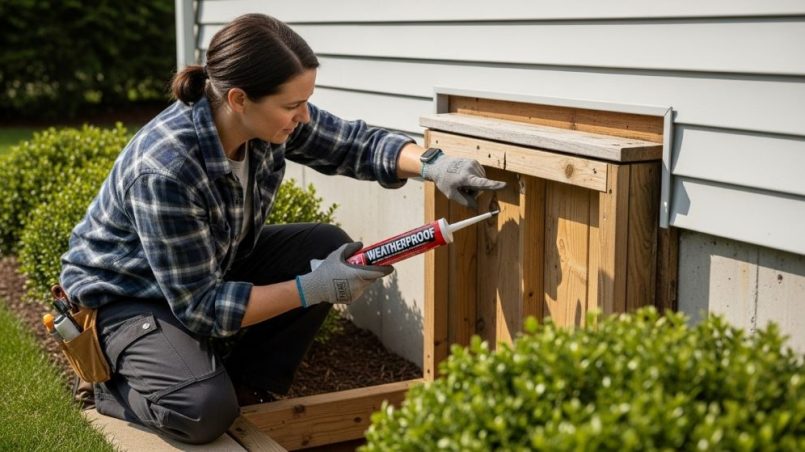
Spring represents the ideal time for resealing gaps around your crawl space door. Use exterior-grade caulk designed for foundation applications. Apply continuous beads along all edges where the frame meets the foundation.
Weather stripping around the door perimeter requires annual replacement. Compression seals deteriorate from exposure and lose effectiveness over time. Therefore, install fresh weather stripping before summer humidity arrives.
Check Ventilation Systems
Examine crawl space vents if your system includes them. Remove screens and clean away spider webs, dirt, and obstructions. Properly functioning vents reduce moisture buildup throughout humid summer months.
However, encapsulated crawl spaces should have sealed vents year-round. Verify that vent covers remain secure and undamaged. Replace any missing or broken vent seals immediately.
Summer Maintenance: Managing Heat and Humidity
Summer brings peak humidity levels and increased pest activity. Your crawl space door must withstand these seasonal challenges while maintaining energy efficiency. Regular monitoring prevents minor issues from escalating.
Monitor Moisture Levels
Install a hygrometer inside the crawl space to track humidity levels. Readings should stay below 60 percent to prevent mold growth and wood rot. Additionally, check for condensation on the door’s interior surface.
Persistent moisture indicates ventilation or drainage problems requiring professional assessment. Meanwhile, ensure your crawl space door fits tightly to prevent humid outdoor air from entering.
Inspect for Pest Entry Points
Summer pest activity peaks as insects and rodents seek cool shelter. Examine the door thoroughly for gaps, holes, or damage creating entry points. Even small openings allow mice, snakes, and insects access.
Apply wire mesh over larger gaps before sealing with expanding foam. This combination prevents pests from chewing through soft foam sealants. Moreover, check that the door closes completely without gaps at corners.
Maintain Paint and Protective Coatings
Sun exposure degrades paint and protective finishes on crawl space doors. Inspect painted surfaces for peeling, cracking, or fading. Touch up damaged areas to prevent moisture penetration into underlying materials.
Metal doors benefit from rust-inhibiting primer under exterior paint. Wood doors require moisture-resistant exterior paint or sealant. Therefore, plan refinishing projects during dry summer weather for optimal results.
Test Locks and Hardware
Verify that locks, hinges, and latches function smoothly. Lubricate moving parts with weatherproof grease or spray lubricant. Sticky locks often indicate rust formation requiring immediate attention.
Replace worn hardware before it fails completely. Additionally, ensure the door opens and closes easily for emergency access. Difficult operation discourages regular inspections and maintenance.
Fall Maintenance: Winterization Preparation
Fall maintenance prepares your crawl space door for harsh winter conditions. Proactive measures prevent freeze damage and reduce heating costs. Furthermore, autumn’s moderate temperatures provide comfortable working conditions.
Deep Cleaning and Inspection
Remove all debris from around the crawl space entrance before winter. Rake away leaves, trim nearby vegetation, and clear drainage paths. Accumulated organic matter traps moisture against the door and foundation.
Pressure wash the door exterior to remove dirt, mildew, and stains. Allow surfaces to dry completely before applying fresh sealant or paint. This cleaning reveals hidden damage requiring repair.
Reinforce Insulation
Check insulation around the door frame and inside the crawl space. Replace any wet, compressed, or damaged insulation materials. Proper insulation prevents heat loss through the crawl space entrance.
Consider adding rigid foam insulation to the door’s interior surface. This extra layer significantly reduces heat transfer during winter months. Moreover, insulated doors prevent condensation formation on cold interior surfaces.
Upgrade Weather Stripping
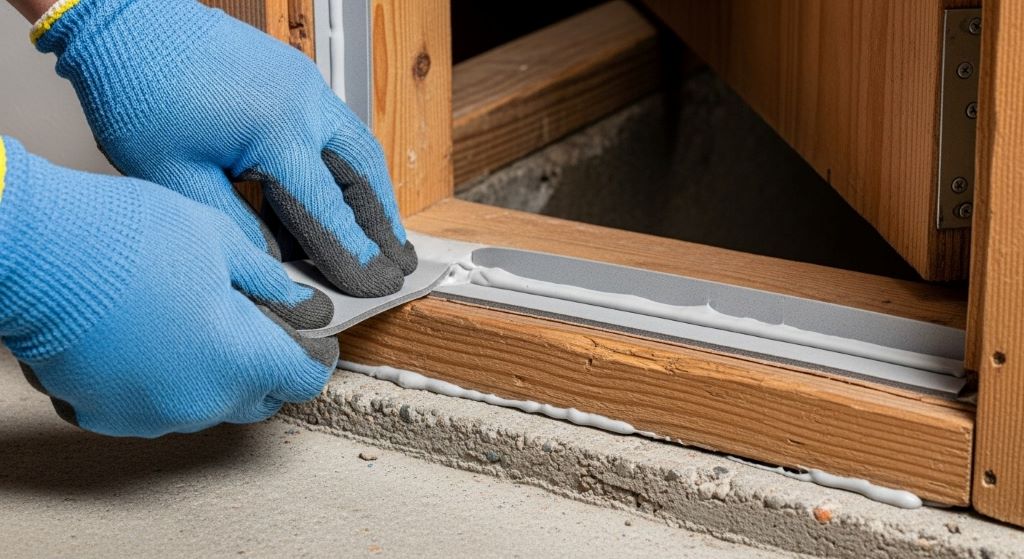
Install heavy-duty weather stripping designed for winter conditions. Silicone or EPDM rubber seals withstand temperature extremes better than standard foam products. Additionally, apply door sweeps along the bottom edge.
Test the seal by closing the door and checking for light gaps. Visible light indicates air leakage locations requiring additional sealing. Therefore, address all gaps before freezing temperatures arrive.
Protect Against Freezing
Apply winterizing sealant around the door perimeter to prevent ice formation. Ice buildup forces doors open and damages frames through expansion. Ensure drainage slopes direct water away from the entrance.
Install covers over external vents to prevent snow accumulation. However, maintain some ventilation to prevent moisture buildup unless you have an encapsulated system. Balance protection with necessary air circulation.
Winter Maintenance: Cold Weather Protection
Winter presents unique challenges requiring periodic monitoring despite harsh conditions. Your crawl space door must withstand freezing temperatures, snow, and ice accumulation. However, maintenance tasks become more limited during extreme weather.
Monthly Visual Inspections
Check the crawl space door monthly for ice buildup, snow drifts, and visible damage. Remove snow accumulation preventing proper door operation. Ice formations indicate drainage problems or air leakage issues.
Look for frost or condensation on the interior door surface. This moisture suggests inadequate insulation or air sealing. Additionally, inspect for icicles forming around the door frame.
Clear Ice and Snow Safely
Remove ice carefully to avoid damaging door surfaces and seals. Use plastic scrapers rather than metal tools that scratch protective coatings. Apply ice melt products sparingly to prevent chemical damage.
Keep pathways to the crawl space entrance clear for emergency access. Snow removal prevents moisture accumulation when temperatures rise. Furthermore, accessible doors allow necessary mid-winter inspections.
Monitor Indoor Air Quality
Pay attention to musty odors or increased humidity inside your home. These symptoms often indicate crawl space problems affecting indoor air quality. According to Forbes Home, up to 50 percent of indoor air originates from crawl spaces.
Check crawl space humidity levels if possible during winter months. Excessive moisture requires immediate attention to prevent mold growth. Therefore, address any concerning symptoms promptly despite cold weather.
Emergency Repairs
Perform only essential repairs during winter to maintain door integrity. Temporary fixes using weatherproof tape or expanding foam prevent further damage. However, schedule comprehensive repairs for spring when conditions improve.
Keep emergency supplies available including sealant, weather stripping, and basic tools. Quick responses to winter damage prevent small problems from escalating. Moreover, prepared homeowners avoid costly emergency service calls.
Year-Round Maintenance Best Practices
Consistent attention throughout all seasons prevents major crawl space door problems. Simple habits integrated into regular home maintenance routines yield significant benefits. Additionally, documentation helps track maintenance history and identify recurring issues.
Create a Maintenance Schedule
Develop a written schedule outlining specific tasks for each season. Set calendar reminders for quarterly inspections and annual major maintenance. Consistent scheduling prevents forgotten tasks and ensures comprehensive care.
Include crawl space door maintenance in spring and fall deep cleaning routines. Therefore, this critical component receives attention alongside other seasonal home care tasks.
Keep Detailed Records
Document all maintenance activities including dates, materials used, and observations. Photograph the door condition quarterly to track deterioration over time. These records prove valuable when selling your home or filing insurance claims.
Note any recurring problems requiring professional assessment. Patterns indicating underlying issues need expert diagnosis and correction. Moreover, maintenance records demonstrate responsible homeownership to potential buyers.
Know When to Replace
Even well-maintained crawl space doors eventually require replacement. Signs include extensive rot, severe warping, persistent air leaks, and structural damage beyond repair. Replacement typically becomes necessary every 15 to 25 years.
Modern replacement doors offer improved insulation, better seals, and enhanced pest resistance. Therefore, upgrading provides immediate benefits even before the old door completely fails.
Conclusion
Crawl space door seasonal maintenance protects your home’s foundation, indoor air quality, and energy efficiency. Spring preparation addresses winter damage and prepares for humidity. Summer monitoring manages moisture and pests during peak activity. Fall winterization prevents freeze damage and reduces heating costs. Winter inspections ensure protection despite harsh conditions. Therefore, consistent year-round attention prevents costly repairs and maintains a healthy home environment. Implement these seasonal maintenance tips to extend your crawl space door’s lifespan and protect your investment.
Frequently Asked Questions
How often should I inspect my crawl space door?
Inspect your crawl space door quarterly during seasonal transitions and monthly during extreme weather conditions. Additionally, check immediately after severe storms or flooding events. Regular inspections catch problems early before they require expensive repairs.
What type of weather stripping works best for crawl space doors?
EPDM rubber or silicone weather stripping performs best for crawl space applications. These materials withstand temperature extremes, moisture exposure, and compression better than foam products. Replace weather stripping annually for optimal performance.
Can I paint my crawl space door in any season?
Paint crawl space doors during dry weather with temperatures between 50 and 85 degrees Fahrenheit. Late spring through early fall provides ideal conditions. However, avoid painting during high humidity or when rain threatens within 24 hours.
How do I know if my crawl space door needs replacement?
Replace your crawl space door if you notice extensive rot, severe warping preventing proper closure, cracks allowing pest entry, or persistent air leaks despite new seals. Doors older than 20 years often benefit from replacement with modern insulated models.
What causes moisture buildup behind my crawl space door?
Moisture buildup results from poor ground drainage, inadequate ventilation, missing vapor barriers, or air leaks allowing humid air entry. Additionally, condensation forms when warm moist air contacts cold door surfaces. Professional assessment determines the specific cause.
Related Topics:
THESE CHEMICALS MUST NEVER GO DOWN THE SINK