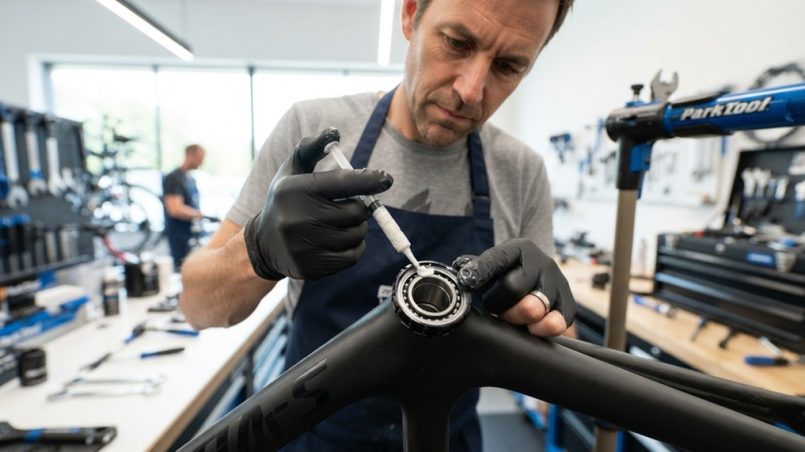
Living in Florida means your bicycle faces a unique set of challenges that riders in other states rarely think about. Heat, humidity, salt air, and sudden downpours all take a toll on your drivetrain. If you’ve noticed your chain squeaking after a beach ride or your bearings feeling gritty after a summer storm, you’re dealing with the consequences of using the wrong lubricant. The solution often comes down to switching to a ceramic-based grease, which offers superior protection against Florida’s harsh conditions. This guide breaks down exactly what to look for when choosing the Florida top ceramic bike grease for your specific riding style, so you can stop guessing and start riding with confidence.
Why Standard Grease Fails in Florida’s Climate
Florida’s environment is essentially a stress test for bicycle lubricants. The combination of high humidity, intense UV exposure, and salt-laden air near the coast creates conditions where conventional petroleum-based greases break down quickly. When standard grease degrades, it becomes runny in the heat, washes out during rain showers, and fails to protect metal surfaces from corrosion.
The problem is compounded by Florida’s frequent afternoon thunderstorms. Even if you don’t ride in the rain, the humidity alone can cause moisture to condense inside your hubs, bottom bracket, and headset. Standard greases lack the water-repelling properties needed to keep that moisture away from bearings and races.
The Science Behind Ceramic Additives
Ceramic bike grease isn’t made entirely of ceramic material. Instead, it uses microscopic ceramic particles typically boron nitride or silicon carbide suspended in a high-quality synthetic base oil. These particles create a smooth, low-friction layer between metal surfaces. Unlike standard grease, which relies solely on a thick oil film, ceramic grease provides a physical barrier that reduces friction even under extreme pressure.
This matters in Florida because the heat causes standard grease to thin out, reducing its protective film strength. Ceramic particles remain effective even when the base oil begins to break down, giving you a layer of protection that lasts longer between service intervals.
Key Factors to Consider When Choosing Ceramic Grease
Not all ceramic greases are created equal, and the best choice for a road cyclist in Miami might not be ideal for a mountain biker in Ocala. You need to evaluate several factors before making a purchase decision.
Water Resistance Rating
This is arguably the most important specification for Florida riders. Look for greases with a water washout rating of 40°C or higher. This rating indicates how well the grease stays in place when exposed to water. A higher rating means better protection during rain rides and after washing your bike. Ceramic greases with PTFE or molybdenum disulfide additives tend to perform better in this area.
Temperature Range
Florida doesn’t experience extreme cold, but the summer heat can push temperatures well above 90°F, and your drivetrain can get even hotter from friction. Choose a grease with a dropping point above 250°F. This ensures the grease won’t melt and run out of your bearings during a long summer ride. Most quality ceramic greases easily exceed this threshold, but cheaper alternatives may not.
Compatibility with Sealed Bearings
Modern bikes use sealed cartridge bearings that come pre-greased from the factory. If you’re repacking these bearings, you need a grease that’s compatible with the existing lubricant. Ceramic greases with a lithium-complex or polyurea thickener are generally safe to mix with most factory greases. Avoid greases with incompatible thickeners, as they can cause the grease to separate and lose its protective properties.
Ceramic Grease vs. Standard Grease: A Practical Comparison
Understanding the differences between ceramic and standard greases helps you make an informed decision based on your actual needs rather than marketing claims.
| Factor | Ceramic Grease | Standard Grease |
|---|---|---|
| Friction Reduction | Excellent due to ceramic micro-particles | Good, but relies solely on oil film |
| Water Resistance | Superior, especially with PTFE additives | Varies widely by formulation |
| Heat Tolerance | High dropping point, maintains viscosity | Can thin out in extreme heat |
| Longevity | Lasts longer between service intervals | Requires more frequent reapplication |
| Cost | Higher upfront cost | More budget-friendly |
| Best For | Florida riders, wet conditions, long intervals | Dry climates, frequent maintenance |
The table above highlights why ceramic grease is particularly well-suited for Florida conditions. The higher upfront cost is offset by longer service intervals and better protection against corrosion, which can save you money on replacement parts down the road.
Essential Application Areas for Ceramic Grease
While ceramic grease delivers superior performance, applying it indiscriminately across your entire bicycle is unnecessary. To maximize its ultra-low friction properties and high-heat resistance, target high-load components subjected to continuous movement and harsh environmental exposure specifically bottom brackets, wheel bearings, derailleur pulleys, and pedal threads. Precision application on these core friction points prevents premature wear and keeps your drivetrain running effortlessly in humid, high-salinity conditions. If you are building out your workshop to handle these upgrades yourself, pairing quality lubricants with a beginner mechanic tools list that saves money ensures you have the exact equipment needed to maintain peak performance without overspending.
Wheel Hubs and Bottom Bracket
These are the highest-load bearings on your bike. They spin constantly, carry your weight, and are exposed to water spray from wet roads. Ceramic grease in these areas reduces rolling resistance and prevents the pitting and corrosion that occurs when water penetrates the bearing seals. For Florida riders, this is where ceramic grease provides the most noticeable benefit.
Headset Bearings
Your headset takes the brunt of road vibrations and is particularly vulnerable to water ingress from rain running down the steerer tube. A good ceramic grease here ensures smooth steering and prevents the notchy feeling that comes from corroded bearing races.
Pedal and Derailleur Pivots
These smaller components benefit from ceramic grease because it stays in place longer and doesn’t attract as much grit as wet lubricants. The low-friction properties also help your derailleur shift more crisply, which is especially noticeable on long rides.
Common Mistakes Florida Riders Make with Grease
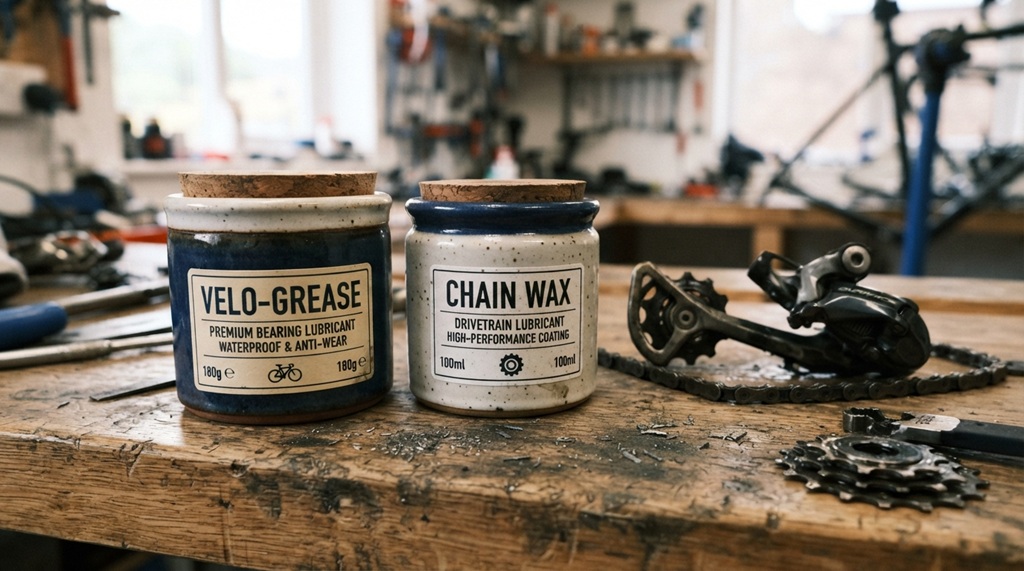
Even with the right product, improper application can lead to poor performance and premature component wear. Here are the most common mistakes I see riders make.
Overpacking Bearings
More grease is not better. Overpacking creates hydraulic pressure inside the bearing, which can push the seals out and allow water and dirt to enter. Fill the bearing cavity about 70–80% full. This leaves room for the grease to move without creating excess pressure.
Mixing Incompatible Greases
If you’re switching from standard grease to ceramic grease, you need to clean the old grease out completely before applying the new product. Mixing incompatible thickeners can cause the grease to separate, leaving your bearings with no effective lubrication. Use a degreaser and clean rags to remove all traces of the old grease before repacking.
Ignoring the Seals
Grease won’t protect your bearings if the seals are damaged or worn. Before repacking, inspect the rubber seals for cracks, tears, or excessive wear. Replace damaged seals to keep water and contaminants out of your freshly greased bearings.
How to Apply Ceramic Grease Correctly
Proper application ensures you get the full benefit of ceramic grease’s protective properties. Follow these steps for best results.
- Clean the components thoroughly with a degreaser and allow them to dry completely. Any residual old grease or dirt will contaminate the new grease.
- Apply a thin, even layer to the bearing surfaces or races. For cartridge bearings, use a grease gun or your finger to work the grease into the balls or rollers.
- Rotate the bearing several times to distribute the grease evenly and ensure all contact surfaces are coated.
- Wipe away excess grease from the outside of the bearing and surrounding areas. Excess grease attracts dirt and creates a messy buildup.
- Reassemble the component and check for smooth operation. If you feel any roughness, disassemble and check for contamination or damage.
This process takes about 15 minutes per wheel hub and is well worth the effort for the protection it provides.
Frequently Asked Questions
How often should I reapply ceramic grease in Florida?
For regular riders in Florida, plan to repack hubs and bottom brackets every 6–12 months, depending on how often you ride in rain or near the coast. If you ride daily in wet conditions, check your bearings every 3–4 months for signs of water ingress or grease breakdown.
Can I use ceramic grease on my bike’s suspension fork?
No. Suspension forks require specialized grease designed for the specific seals and bushings used in fork internals. Using regular or ceramic grease can damage the seals and affect fork performance. Stick to the manufacturer’s recommended lubricant for suspension components.
Is ceramic grease worth the higher price?
For Florida riders, yes. The extended service intervals and superior corrosion protection typically offset the higher upfront cost. You’ll replace bearings less frequently and spend less time on maintenance, which makes ceramic grease a cost-effective choice in the long run.
Can I mix ceramic grease with the grease already in my bearings?
It’s not recommended. Different thickeners and additives can react poorly when mixed, causing the grease to break down prematurely. Always clean bearings thoroughly before switching to a new type of grease.
Does ceramic grease work on bike chains?
Ceramic grease is too thick for chain lubrication. For chains, use a ceramic-based chain lube that’s specifically formulated to penetrate links and resist fling-off. Grease is best reserved for bearings and pivot points.
Conclusion
Choosing the right ceramic bike grease for Florida’s demanding conditions comes down to understanding water resistance, temperature tolerance, and proper application. The heat, humidity, and salt air of Florida will quickly expose the weaknesses of cheap or inappropriate lubricants, leading to premature bearing wear and frustrating rides. By selecting a high-quality ceramic grease with strong water resistance and a high dropping point, you’ll protect your investment and enjoy smoother performance for longer. Focus your ceramic grease application on hubs, bottom brackets, and headsets, and always clean components thoroughly before applying fresh grease. Take the time to do it right, and your bike will reward you with reliable, low-friction performance through every Florida season.
