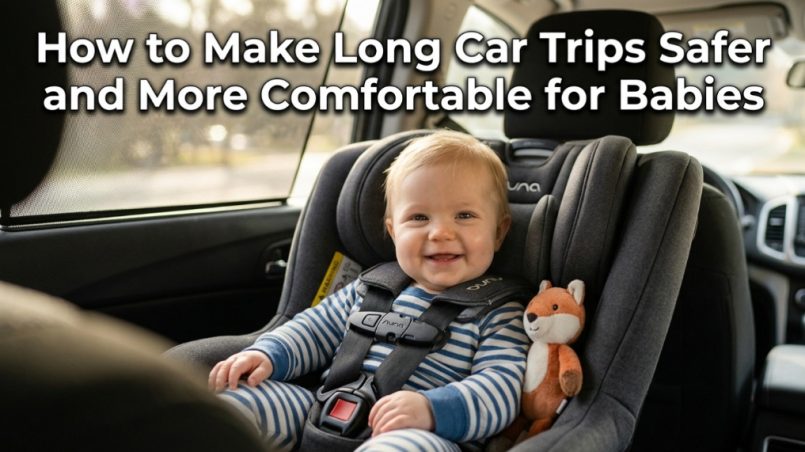
At 2 a.m. on a quiet highway, a baby doesn’t cry because the destination is far away—they cry because something feels uncomfortable right now. That simple reality explains why making long car trips safer and more comfortable for babies is less about surviving the miles and more about managing comfort, safety, feeding, sleep, and routine throughout the journey. For parents planning family road trips, preparation is the difference between a calm ride and hours of stress.
Long-distance travel with infants and toddlers presents unique challenges. Babies spend extended periods restrained in a car seat, experience disruptions to feeding and sleeping schedules, and can become overstimulated by unfamiliar environments. According to road safety experts, proper car seat use significantly reduces injury risk during crashes, making travel preparation a critical safety priority.
This guide explains exactly how to keep babies safe, comfortable, and happy during long drives. You’ll learn essential planning strategies, recommended baby travel essentials, feeding and sleep tips, safety precautions, and practical solutions to common road-trip challenges.
What Is the Best Way to Prepare a Baby for a Long Car Trip?
The best preparation combines vehicle safety checks, a properly installed car seat, scheduled breaks, and a well-organized supply kit.
Preparation starts before the engine turns on. Parents who plan ahead reduce stress, minimize unexpected stops, and create a safer travel environment for their child.
Before leaving, inspect your vehicle carefully. Check tire pressure, fluids, brakes, and lights. A safe vehicle creates the foundation for a safe journey. If you’re unsure about vehicle alignment or steering issues before departure, reviewing this guide on correcting wheel alignment problems can help ensure your vehicle handles properly during long-distance driving.
Create a travel checklist that includes:
- Approved rear-facing or age-appropriate car seat
- Extra diapers and wipes
- Formula, breast milk, or snacks
- Bottles and cleaning supplies
- Extra clothing
- Favorite toys
- Blankets
- Pacifiers
- First-aid kit
- Portable changing pad
- Emergency contact information
Planning your departure around nap times often helps babies sleep through the first portion of the trip.
Why Is Proper Car Seat Safety So Important During Family Road Trips?
A correctly installed car seat provides the highest level of protection for babies during vehicle travel and reduces the risk of serious injury in an accident.
Car seat safety remains the single most important factor when traveling with infants and young children. The safest position for infants is a properly installed rear-facing seat that meets current safety standards.
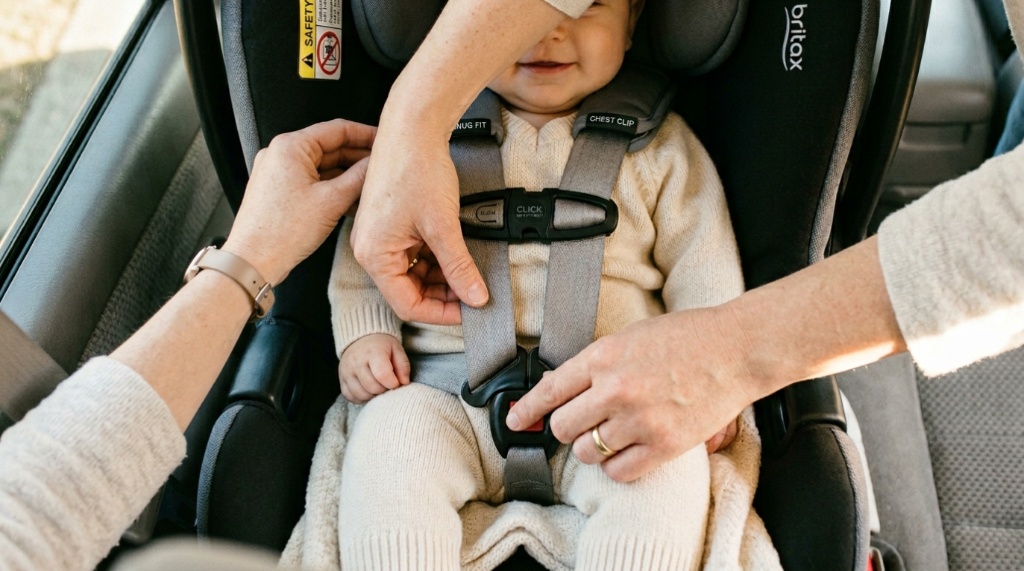
Parents should verify:
- Harness straps fit snugly
- Chest clip sits at armpit level
- Seat angle is appropriate
- No bulky coats interfere with harness fit
- Installation follows manufacturer instructions
For parents researching state-specific recommendations and car seat guidance, this detailed resource on the best baby car seat options and safety recommendations offers helpful information for selecting suitable seats.
Experts also recommend avoiding extended periods in car seats outside the vehicle because infant positioning can affect breathing, especially for younger babies.
How Long Can a Baby Stay in a Car Seat?
Most pediatric experts recommend regular breaks approximately every two hours whenever possible.
Stopping periodically allows babies to stretch, feed, receive diaper changes, and enjoy a change of position. Frequent breaks can also reduce irritability and improve overall travel comfort.
What Baby Travel Essentials Should Parents Pack for Long Drives?
The best baby travel essentials include feeding supplies, diapering necessities, comfort items, clothing changes, and emergency supplies.
Organization matters as much as packing itself. Keep frequently used items within reach rather than buried in luggage.
Essential Packing Checklist
| Category | Recommended Items |
|---|---|
| Diapering | Diapers, wipes, cream, disposal bags |
| Feeding | Bottles, formula, breast milk storage, snacks |
| Comfort | Blanket, pacifiers, favorite toy |
| Clothing | Extra outfits, socks, bibs |
| Health | First-aid kit, thermometer, medications |
| Cleaning | Paper towels, sanitizing wipes, tissues |
Many parents find it helpful to divide supplies into separate bags:
- Immediate-access essentials bag
- Feeding bag
- Emergency backup bag
- Overnight luggage
This system prevents unnecessary unpacking at every stop.
How Can Parents Keep Babies Comfortable During Long Car Rides?
Comfort comes from maintaining proper temperature, supporting routines, providing entertainment, and scheduling frequent breaks.
Babies thrive on predictability. Even during travel, maintaining familiar routines helps reduce stress and fussiness.
Dress babies in breathable layers that can be adjusted as temperatures change. Vehicle temperatures fluctuate throughout the day, especially during summer road trips.
Window shades can reduce direct sunlight exposure while helping regulate interior temperature.
Parents should also understand vehicle safety habits beyond child restraints. Learning about the importance of seatbelt use and vehicle safety laws reinforces safe travel practices for every passenger in the vehicle.
Comfort Strategies That Work
- Leave during nap times
- Maintain feeding schedules
- Use familiar comfort objects
- Play soft music or white noise
- Avoid overdressing
- Keep a comfortable cabin temperature
- Take regular stretch breaks
Even small adjustments often prevent larger comfort issues later in the trip.
How Often Should You Stop During a Long Road Trip With a Baby?
Most families benefit from stopping every two to three hours for feeding, diaper changes, movement, and comfort checks.
Many parents underestimate how valuable planned breaks are during family road trips. Regular stops help everyone remain refreshed, including the driver.
During each stop:
- Check diaper condition
- Offer feeding if needed
- Allow movement and stretching
- Inspect harness positioning
- Assess baby’s temperature and comfort
Fifteen to twenty-minute breaks can significantly improve the remainder of the journey.
What If the Baby Is Sleeping?
If conditions are safe and the baby is comfortable, many parents continue driving during naps to maximize uninterrupted travel time.
However, safety checks and scheduled stops remain important during extended journeys.
How Can You Manage Feeding During Long Car Trips?
Safe feeding requires advance preparation, proper storage, and stopping the vehicle when feeding is necessary.
Never attempt to feed a baby while the vehicle is moving. Feeding should occur during scheduled breaks or rest stops.
For formula-fed babies:
- Pre-measure formula portions
- Carry clean water supplies
- Pack extra bottles
- Bring bottle-cleaning materials
For breastfeeding mothers:
- Identify comfortable stopping locations
- Carry nursing covers if preferred
- Stay hydrated throughout the trip
- Keep backup feeding supplies available
Older babies may benefit from healthy snacks such as soft fruit pieces, crackers, or age-appropriate finger foods during breaks.
What Are the Best Ways to Entertain Babies on Long Drives?
Simple, rotating activities usually work better than introducing too many new toys at once.
Babies become bored when exposed to the same stimulation for extended periods. Rotating entertainment options helps maintain interest.
Road Trip Entertainment Ideas
- Soft sensory toys
- Mirror attachments approved for vehicle use
- Interactive fabric books
- Teething toys
- Music playlists
- Story recordings
- Nursery rhyme singalongs
For toddlers, activity boards, sticker books, and age-appropriate educational games can provide additional engagement.
Should Screen Time Be Used?
Limited screen use can be a practical option during difficult moments, but it should not replace breaks, interaction, and movement.
Parents often reserve screens as a backup solution for longer stretches of travel.
How Can Parents Reduce Stress During Family Road Trips?
Flexible planning, realistic expectations, and preparation for delays significantly reduce travel stress.
Many travel frustrations occur because parents expect road trips to follow perfect schedules. Babies rarely cooperate with rigid timelines.
Instead:
- Add extra travel time
- Expect additional stops
- Pack more supplies than needed
- Share driving responsibilities
- Stay flexible with schedules
- Prepare backup routes
Viewing the journey as part of the experience rather than an obstacle often improves everyone’s mood.
What Common Mistakes Should Parents Avoid During Long Car Trips?
The most common mistakes involve skipping breaks, improper car seat use, underpacking essentials, and ignoring comfort needs.
Frequent Travel Mistakes
- Loose harness straps
- Insufficient diaper supplies
- Missing feeding backups
- Ignoring temperature changes
- Driving too long without breaks
- Overpacking inaccessible luggage
- Departing without vehicle inspection
Identifying these issues before departure dramatically improves travel safety and comfort.
Conclusion: How Can Families Enjoy Safer and More Comfortable Road Trips With Babies?
Successful family road trips depend on preparation, proper car seat safety, regular breaks, organized baby travel essentials, and flexible expectations.
Babies do not need luxury travel arrangements. They need safety, comfort, routine, and attentive caregivers. A properly installed car seat, thoughtful packing strategy, scheduled feeding stops, and realistic planning can transform a stressful drive into a manageable and enjoyable experience.
Before your next journey, take time to prepare both your child and your vehicle. Reviewing practical vehicle safety guidance, including resources about maintaining proper steering and wheel alignment for safe driving, can further support a smoother trip.
With the right preparation, long-distance travel becomes less about managing problems and more about creating positive family memories along the way.
Frequently Asked Questions
Can a newborn travel on a long road trip?
Yes, but extra care is required. Newborns should ride in a properly installed rear-facing car seat, and parents should schedule frequent stops to monitor feeding, diaper needs, and overall comfort.
How many hours can a baby travel in a car in one day?
There is no universal limit, but regular breaks every two to three hours are recommended. Travel duration should be adjusted according to the baby’s age, comfort level, and feeding schedule.
What is the safest seat position for a baby in a car?
The rear seat is generally the safest location. A properly installed rear-facing car seat placed according to manufacturer instructions provides optimal protection for infants.
What should I do if my baby cries during the trip?
First check for immediate needs. Hunger, discomfort, temperature issues, diaper changes, fatigue, or boredom are common causes. If necessary, stop safely and address the issue before continuing.
How can I help my baby sleep during a road trip?
Traveling during normal nap times often works best. Maintaining familiar routines, using comfortable clothing, and minimizing excessive noise can encourage restful sleep.
Should I wake my baby for scheduled breaks?
Parents often continue driving while babies sleep comfortably. However, extended travel still requires periodic safety and comfort assessments according to pediatric guidance.
What are the most important baby travel essentials?
The essentials include diapers, wipes, feeding supplies, spare clothing, comfort items, medications, and a properly installed car seat. Having extras available prevents many common travel disruptions.