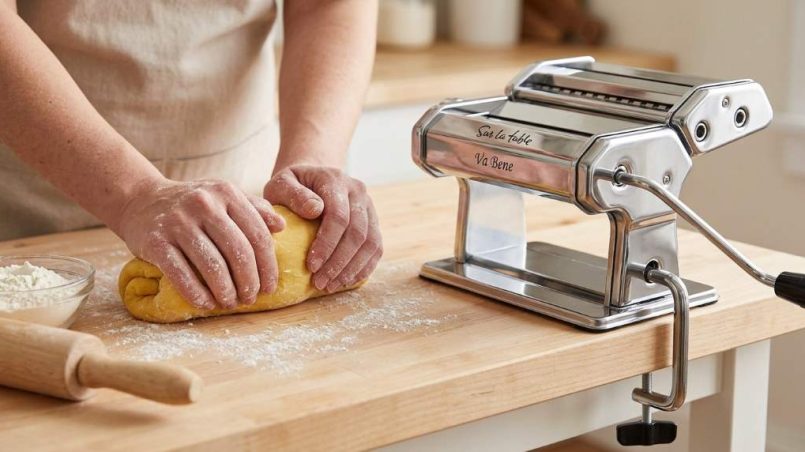
Yes, the Sur La Table Va Bene Manual Pasta Maker can turn homemade dough into fresh pasta without electricity. Americans consume about 8.8 kg of pasta per person yearly, while 86% eat pasta at least weekly. A reliable pasta dough roller makes that process much easier. The Va Bene appeals to cooks who enjoy hands-on preparation and controlled pasta thickness.
Key Takeaways
- Va Bene offers a manual approach to fresh pasta making without electrical power.
- Consistent dough preparation matters more than machine speed for better pasta.
- Proper flour, hydration, resting, and gradual rolling create smoother sheets.
- Manual rolling gives you direct control over thickness and dough texture.
- Cleaning immediately helps prevent dried dough from becoming difficult to remove.
- Fresh pasta rewards patience, especially during the first few attempts.
Why the Va Bene Manual Pasta Maker Stands Out
The Sur La Table Va Bene Manual Pasta Maker suits cooks who prefer traditional kitchen techniques. Instead of relying on a motor, you turn the handle and guide the dough manually. That slower process gives you useful control over pressure, speed, and sheet thickness.
Moreover, manual operation keeps the process straightforward and approachable for beginners. You can watch every stage and adjust your technique when the dough behaves differently. For many home cooks, that control becomes part of the pleasure.
The machine also fits naturally into kitchens where countertop space matters. You can store it after use instead of keeping another powered appliance permanently assembled. Before buying, however, check the current product specifications and included accessories.
That step matters because product configurations can change between retailers and production periods. You should also confirm the clamp requirements for your particular countertop before starting.
How to Prepare Dough for the Va Bene
Great pasta starts before the dough touches the rollers. For a dependable starting formula, combine flour with eggs and adjust moisture gradually. A simple ratio helps beginners understand how the dough should feel during kneading.
For example, use roughly 100 grams of flour per large egg for a basic egg pasta. However, flour absorption varies with humidity, flour type, and egg size. Therefore, judge the dough by texture rather than following measurements blindly.
The finished dough should feel firm, smooth, and pliable without becoming sticky. If it clings to your fingers, add flour sparingly and knead again. If cracks appear repeatedly, a tiny amount of moisture can restore flexibility.
After kneading, wrap the dough and let it rest for about 30 minutes. Resting relaxes the gluten and makes rolling significantly easier. Meanwhile, you can prepare your work surface, flour, cutter, and drying area.
Kitchen organization also improves the experience, especially when several ingredients occupy your counter. These budget-friendly kitchen updates can inspire practical improvements around your pasta-making workspace.
Choose the Right Flour
All-purpose flour works well for beginners and remains widely available. Italian-style 00 flour creates a particularly tender texture when you use it appropriately.
Semolina can add firmness and a pleasant bite, especially in certain pasta styles. You can also combine flours to balance tenderness, strength, and texture.
However, avoid changing several variables during your first attempt. Start with one dependable recipe and learn how your dough responds to the machine.
How to Roll Pasta With the Va Bene
Begin by cutting the rested dough into manageable portions. Keep the remaining pieces covered so their surfaces do not dry while you work.
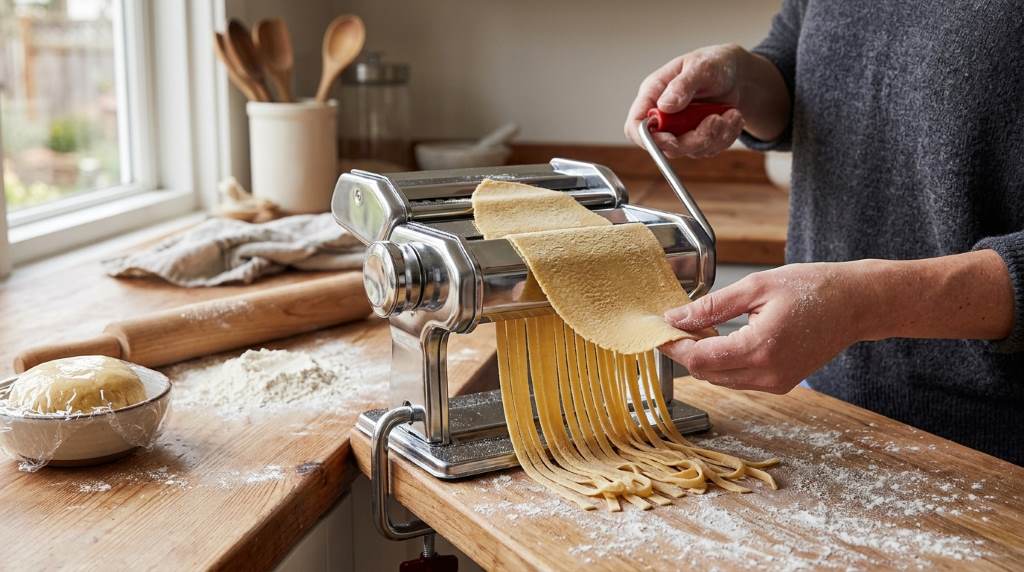
Flatten one portion with your hands before feeding it through the rollers. Start with a wider setting and pass the dough through gently. Then fold the sheet and repeat the process when necessary.
Gradual rolling creates a more uniform sheet than forcing thick dough through a narrow opening. Therefore, reduce the thickness setting one step at a time.
Lightly dust the dough whenever necessary, but avoid excessive flour. Too much flour can make fresh pasta dry and interfere with sauce adhesion.
Once the sheet reaches your desired thickness, move it through the cutting section. Guide the emerging strands carefully so they do not bunch together.
For an especially smooth workflow, prepare a drying rack or lightly floured tray beforehand. This small step prevents freshly cut pasta from sitting in a tangled pile.
Also, consider your kitchen environment before rolling several batches. Warm, humid rooms can make dough softer and stickier. A cooler, dry workspace usually makes handling easier.
Control Thickness Instead of Chasing Speed
Manual machines reward consistency rather than rushing. Feed the dough steadily and maintain a comfortable rhythm with the handle.
If the sheet develops uneven edges, stop and reshape it gently. Do not force a distorted sheet repeatedly through the cutters.
Furthermore, remember that different dishes need different pasta thicknesses. Thin sheets suit delicate preparations, while thicker noodles can support richer sauces.
Fresh Pasta Workflow From Countertop to Plate
Once you understand the rolling process, the entire routine becomes surprisingly predictable. Prepare the dough, rest it, portion it, roll it, cut it, and cook it.
This sequence also makes troubleshooting easier because each stage has a specific purpose. If the dough sticks, examine hydration and flouring before blaming the machine.
If the dough tears, check whether you rolled it too aggressively or skipped adequate resting. If strands stick together, separate them sooner and use a lighter dusting of flour.
Your workspace deserves attention as well because good lighting improves precision. These practical kitchen lighting ideas can help create a clearer preparation area.
Cutting and Drying Fresh Pasta
Freshly cut noodles need enough space to remain separate. Spread them loosely across a floured tray or suitable drying surface.
Short drying periods can improve handling before cooking. However, fresh pasta does not require the prolonged drying process used for shelf-stable pasta.
When cooking immediately, bring a large pot of well-salted water to a strong boil. Fresh noodles generally cook much faster than dried pasta.
Therefore, watch the pot instead of relying solely on a package-style cooking time. Taste a strand early and continue cooking until the texture suits your preference.
Pair Pasta With the Right Sauce
Fresh pasta usually benefits from sauces that complement its delicate texture. Butter, herbs, light cream sauces, pesto, and simple tomato sauces work particularly well.
However, thicker noodles can handle richer sauces and hearty ingredients. Match the sauce weight with the pasta thickness for a more balanced bite.
Keep the sauce ready before boiling the pasta because fresh noodles cook quickly. Reserve some pasta water before draining to adjust the finished sauce.
That starchy water can help sauces cling to the noodles without making them excessively heavy. Add it gradually while tossing the pasta with the sauce.
Common Va Bene Pasta-Making Mistakes
Even a good manual pasta maker cannot correct poorly prepared dough. Fortunately, most beginner mistakes have simple causes and practical solutions.
- Sticky dough: Add small amounts of flour while kneading and rolling.
- Cracked dough: Add moisture gradually and knead until the texture improves.
- Torn sheets: Let the dough rest longer before reducing roller thickness.
- Uneven sheets: Flatten portions evenly before feeding them through the rollers.
- Clumped noodles: Separate strands quickly and avoid excessive moisture.
- Tough pasta: Avoid excessive flour and overworking during preparation.
- Messy cutting: Keep the sheet lightly floured and guide it steadily.
Another common mistake involves changing recipes too quickly. Instead, repeat one recipe several times and record what changes you make.
That simple habit turns pasta making into a repeatable skill rather than a guessing game. You will gradually learn how your flour, eggs, workspace, and technique interact.
Cleaning and Caring for the Manual Pasta Maker
Clean the machine after each session, especially before dough residue dries. Dried dough becomes harder to remove and can interfere with moving parts.
Follow the manufacturer’s cleaning instructions rather than immersing the machine in water. Manual pasta machines typically require careful surface cleaning around rollers and cutters.
Use a dry brush or appropriate cleaning method to remove loose flour and dough particles. Avoid aggressive tools that could damage finished surfaces or cutting components.
After cleaning, allow removable or exposed components to dry completely before storage. Then store the machine somewhere dry and protected from unnecessary moisture.
Regular care also gives you an opportunity to inspect the rollers and cutting mechanism. Look for unusual resistance, trapped dough, or components that no longer move smoothly.
Storage Matters More Than You Think
Do not leave the machine exposed beside the sink or cooking area. Steam, splashes, and humidity can shorten the useful life of kitchen equipment.
Instead, choose a dry cabinet or protected shelf with enough clearance. Keep accessories together so you can assemble the machine quickly during your next pasta session.
Is a Manual Pasta Maker Worth It?
For cooks who enjoy homemade food, a manual pasta maker can provide excellent practical value. You gain control without adding another motorized appliance to your kitchen.
However, the machine requires more physical involvement than an electric pasta maker. You must turn the handle while guiding and supporting the dough.
That tradeoff becomes an advantage when you enjoy the cooking process itself. It also makes the machine useful during situations where electricity is unavailable or inconvenient.
Before purchasing, consider how frequently you expect to make fresh pasta. Occasional cooks may value simplicity, while frequent cooks may appreciate faster automated equipment.
Also compare included cutters, roller capacity, construction, warranty, and cleaning requirements. Those details matter more than appearance when you plan regular use.
Small Changes That Make Homemade Pasta Better
The biggest improvement usually comes from controlling dough consistency. Once the dough feels right, rolling becomes noticeably easier and more predictable.
Next, keep portions small enough for comfortable handling. Large dough pieces can become difficult to feed evenly through a manual roller.
Use a bench scraper to divide dough cleanly and keep your work surface organized. A wooden board or stable countertop can also provide useful support.
Furthermore, prepare your sauce before the pasta enters boiling water. Fresh noodles cook quickly, so timing becomes easier when everything else already waits nearby.
If you enjoy experimenting with kitchen equipment, choose one variable at a time. You might change flour first, then hydration, then thickness, instead of changing everything simultaneously.
Even your beverage preparation can benefit from a thoughtful workflow. This guide on how to pick a quiet slow juicer offers another example of practical kitchen planning.
Fresh Pasta Ideas to Try Next
Once basic noodles become comfortable, explore different shapes and flavor combinations. Spinach pasta, herb pasta, and simple filled pasta can add variety.
For a first experiment, add finely processed spinach to your dough recipe. Adjust the flour gradually because vegetables can introduce additional moisture.
You can also create pasta for specific sauces by changing thickness and noodle width. Wider noodles pair naturally with substantial sauces, while delicate strands suit lighter preparations.
Try making fresh pasta for a weekend dinner rather than a rushed weekday meal. That setting gives you time to learn without turning mistakes into a stressful event.
Most importantly, keep notes about successful batches. Record flour type, egg size, hydration adjustments, resting time, and preferred roller settings.
Final Verdict: Should You Make Fresh Pasta With the Va Bene?
The Sur La Table Va Bene Manual Pasta Maker makes sense for cooks who want hands-on control over homemade pasta. Its manual design keeps the process simple while allowing careful attention to dough thickness.
It will not remove the learning curve, but that curve creates useful cooking skills. With consistent dough preparation, gradual rolling, and proper cleaning, fresh pasta becomes much easier.
If you enjoy cooking from scratch, the Va Bene can turn pasta night into a repeatable kitchen ritual. Start with a simple egg dough, practice one noodle style, and improve through repetition.
Ready to make fresh pasta at home? Set aside one afternoon, prepare a simple dough, and give the manual rolling process a deliberate try. Your first batch may teach you more than any complicated recipe.
Frequently Asked Questions
Is the Sur La Table Va Bene Manual Pasta Maker good for beginners?
Yes, its manual operation makes it approachable for beginners who want direct control over the rolling process.
Can I make pasta without electricity using the Va Bene?
Yes, a manual pasta maker operates through hand-powered rolling rather than an electric motor.
How long should homemade pasta dough rest?
About 30 minutes usually gives basic egg dough enough time to relax before rolling.
Why does fresh pasta stick together after cutting?
Sticky dough, insufficient flouring, or delayed separation can cause freshly cut noodles to clump.
Should I clean the pasta maker after every use?
Yes, cleaning after each session prevents dried dough and flour from accumulating around rollers and cutters.
