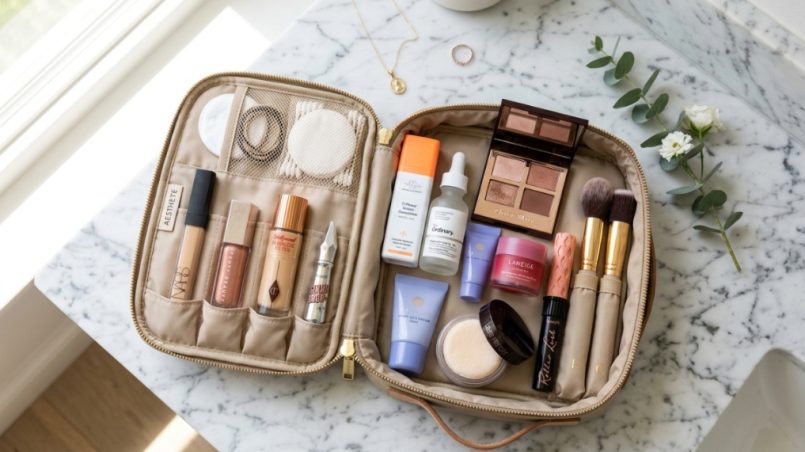
You finally found the perfect eyeshadow palette, only to open your suitcase and discover it shattered into a thousand glittery pieces. We have all been there. The frustration of damaged makeup during transit is a universal traveler’s pain. The solution isn’t just better packing; it’s choosing the right armor for your beauty arsenal. This guide focuses on how to select protective travel makeup bags that keep your liquids sealed, powders intact, and brushes germ-free, ensuring your makeup arrives exactly as it left.
What Exactly Makes a Makeup Bag “Protective”?
A protective makeup bag is not just a pretty pouch; it is an engineered solution designed to mitigate the risks of travel: impact, pressure changes, and leakage. The core difference lies in the materials and construction. Unlike standard cosmetic pouches, protective versions feature padded walls, water-resistant linings, and robust zippers to withstand the rough handling of checked luggage or the cramped quarters of a carry-on.
Critical Features of High-Protection Bags
When evaluating a bag for protection, you must look beyond the surface. The primary elements include impact resistance, liquid containment, and organizational stability. A bag that allows your bottles to knock against each other freely is a recipe for disaster. Look for compartments that secure items in place.
Understanding the Difference: Standard vs. Protective
A standard makeup bag is essentially storage. A protective bag is a system. The former often uses thin nylon or cotton, offering zero shock absorption. The latter uses EVA foam or padded polyester. Furthermore, protective bags often have a “waterproof” inner layer that prevents a leaking shampoo from ruining your clothes, which is a level of security standard bags lack.
Why Is Impact Protection Crucial for Your Cosmetics?
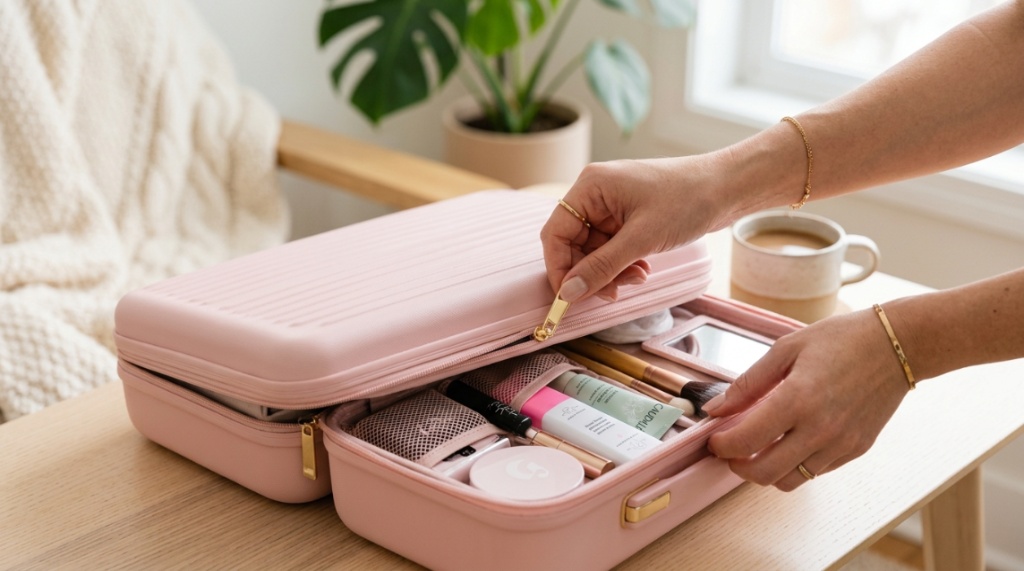
Impact protection is the most obvious, yet most overlooked, aspect of travel makeup storage. The jarring motion of a baggage cart or the pressure of a full suitcase can easily crack pressed powders and shatter glass bottles. A dedicated padded compartment absorbs this shock, acting as a crumple zone for your valuables. Without it, you are gambling with your favorite highlighter every time you fly,If you are also interested in keeping your skincare routine high-tech while on the road, explore everything to know about aesthetic devices to find portable options for your next trip.
The Science of Cushioning and Shock Absorption
Thick, high-density foam is your best friend here. It dissipates the kinetic energy of an impact. When choosing a bag, press the walls. If they are flimsy and collapse easily, they offer minimal protection. Look for bags with rigid, molded shells or multi-layer padding that springs back immediately.
How to Test the Durability of a Bag Before Buying
Don’t be afraid to handle the bag roughly in the store or when it arrives. Zip it up and press down hard on the center. Does the zipper strain? Does the structure hold? Check the stitching on the handles and seams. A protective bag should feel sturdy, not delicate. Watch for signs of weak adhesive if it’s a molded design.
Which Materials Offer the Best Defense Against Leaks?
Leakage is the number one ruiner of travel cosmetics. To combat this, the material of your bag must be non-porous and easy to wipe clean. You should exclusively seek out bags with a lining made of PVC, nylon, or polyester coated with a waterproof layer. Canvas or fabric interiors will absorb liquids, turning your bag into a moldy hazard.
Nylon, Polyester, or PVC: Which Should You Choose?
- Nylon: Lightweight, durable, and often treated with a water-repellent coating. Excellent for most travelers.
- Polyester: Similar to nylon, often thicker and more resistant to abrasion. Good for budget-friendly options.
- PVC (Vinyl): Completely waterproof and easy to sanitize, but heavier and sometimes less flexible in cold weather.
Why Water-Resistant Zippers Are a Must-Have
The zipper is the weakest point in any bag’s defense. If the zipper is not sealed or covered, liquid can seep out through the teeth. Look for zippers with a waterproof coating or a storm flap that covers the zipper track. Even if a bottle bursts, a sealed zipper gives you precious time to contain the spill.
Eco-Friendly Protective Alternatives
If you are looking to avoid PVC due to environmental concerns, there are now excellent thermoplastic polyurethane (TPU) bags. TPU is highly durable, completely waterproof, and easier to recycle than PVC. These offer the protection you need without the chemical smell associated with standard plastic liners.
How Should Compartments Be Organized for Maximum Safety?
Organization is the hidden hero of protection. When your products are isolated, they cannot harm each other. A bag with multiple compartments prevents friction and impact between items. For instance, your powder should have its own zippered section away from your liquid foundation, and your brushes should have their own sleeve to prevent shedding and bending.
The Role of Dividers and Removable Pouches
Removable pouches are the ultimate DIY protective system. You can wrap a fragile bottle in a soft cloth and place it in a dedicated pouch, separating it from the rest. Many high-end bags come with modular dividers that you can adjust to fit your specific product sizes. This “custom fit” prevents items from sliding around during transit.
Securing Liquid Bottles and Preventing Pump Accidents
Always store liquids upright if your bag design allows it. If not, ensure the pump is locked and wrapped in a plastic bag before placing it in the main compartment. Look for bags with elastic straps that can hold bottles firmly in place, preventing them from jostling against each other.
Can a Makeup Bag Fit Your Toiletry Needs Too?
Absolutely, and this is where versatility meets functionality. A protective travel bag can easily double as a toiletry bag for your skincare or shaving kit. Because it is waterproof and durable, it handles the same risks as regular toiletries. However, you must be careful about size, as some TSA regulations apply to liquid containers regardless of the bag type.
Choosing the Right Size for Carry-On Luggage
If you only travel with a carry-on, your liquids must fit in a single quart-sized clear plastic bag. Your makeup bag does not need to be the clear bag, but your liquid containers do. Therefore, a protective makeup bag that has a removable clear pouch for your liquids is incredibly convenient. This allows you to grab the pouch quickly for security screening without unpacking everything.
Versatility: From Business Trips to Beach Vacations
A well-designed protective bag works for any trip. For a business trip, you might need a compact, sleek design. For a beach vacation, a larger, more rugged case is better. Look for a bag that balances size with capacity—one that is large enough for your essentials, yet small enough to fit in your personal item or daypack.
Which Types of Bags Suit Different Travel Styles?
The “best” bag is subjective and depends heavily on how you travel. A minimalist backpacker has vastly different needs than a luxury hotel guest. Understanding the travel style helps you pick a bag that offers protection without being bulky. The goal is to match the bag’s structure to your itinerary.
Hanging Cases for Hotel Stays
Hanging cases are lifesavers in hotel bathrooms with limited counter space. They unfold to reveal multiple compartments, allowing you to see everything at a glance. For protection, ensure the case has a sturdy hook mechanism and padded walls. The hanging design reduces the risk of knocking items over, as they are stationary and vertical.
Compact Pods and Pouches for Minimalists
Minimalists need protection in a smaller package. Look for single-compartment pods with hard shells or thick padding. These often feature a simple clasp closure. While they offer less organization, they protect contents from external pressure. They are perfect for throwing into a backpack without worrying about the impact.
Professional Train Cases for Beauty Enthusiasts
For those packing a full kit, a train case is the ultimate solution. These typically feature a hard outer shell and metal latches, offering the highest level of impact resistance. They often come with brushed metal edges and plush interiors. They are heavier, but the protection they offer for expensive palettes and glass bottles is unmatched.
When Should You Replace Your Current Makeup Bag?
Even the best bags wear out. A compromised protective layer is useless. If you notice the lining peeling, the zipper getting stuck, or the foam interior crumbling, it’s time for a replacement. Continuing to use a damaged bag puts your cosmetics at risk. The lifespan of a good quality bag is usually 2-3 years with regular travel.
Signs of Wear and Tear to Look For
- Zippers: If they snag or separate, they no longer provide a tight seal.
- Seams: Look for frays or pulled threads where the fabric joins.
- Interior: If any liquid has managed to seep past the lining and cause swelling, the bag is compromised.
- Smell: A persistent musty odor suggests mold is growing within the padding, which is impossible to fully remove.
The Importance of Upgrading After Leaks
Once a bag has experienced a major leak that breached the interior lining, you should strongly consider replacing it. Even if you clean it, the residue can linger and the protective coating may be degraded. Spending the money on a new, high-quality bag is cheaper than replacing your clothing and makeup. For great options, check out these protective travel makeup bags that combine style with rigorous safety features.
How to Clean and Maintain Your Protective Makeup Bag
Proper maintenance ensures your bag continues to protect your cosmetics trip after trip. Most protective bags can be wiped clean with a damp cloth and mild soap. You should avoid submerging them in water unless the manufacturer specifically states they are machine washable. Always air dry completely to prevent mold growth.
Step-by-Step Cleaning Guide
- Empty the bag completely, discarding any trash or empty containers.
- Use a soft-bristled brush to remove powder and loose debris from the corners and zipper tracks.
- Wipe the interior and exterior with a cloth dipped in a solution of warm water and mild soap.
- For stubborn stains, use a gentle makeup remover or rubbing alcohol on a cotton swab.
- Allow the bag to air dry upside down for 24 hours to ensure all moisture evaporates.
Packing Smart: Tips to Maximize Protection
Even with the perfect bag, how you pack matters. Always place the heaviest items at the bottom and the fragile powders at the top. Use cotton pads between stacked palettes to buff them. And never overfill your bag—stuffing it to the brim puts stress on the zippers and reduces the shock-absorbing ability of the padding.
Frequently Asked Questions
Can I put a protective makeup bag in my checked luggage?
Yes, this is often where they are most useful. Checked luggage is subject to rough handling. A hard-shell or heavily padded bag will protect your cosmetics from the crushing weight of other bags and sudden drops.
Are silicone travel bottles safe inside a makeup bag?
Yes, silicone bottles are flexible and generally safe. However, they can expand with pressure changes. Ensure the caps are tightened securely and consider placing them in a separate zip-lock pouch within your makeup bag as a backup precaution against leaks.
What is the best way to pack brushes for travel?
Use a dedicated brush roll or a compartment with elastic straps. This keeps the bristles separated and prevents them from being crushed or distorted. Never pack brushes loosely in a bag with heavy items, as this will ruin their shape.
Is a leather makeup bag protective?
Leather is durable and stylish, but it is not inherently protective against impact or water. A leather bag with a padded, waterproof lining can be protective, but pure leather without reinforcement is mostly for aesthetics and light organization.
Do I need a separate bag for liquids and powders?
It is highly advisable. Separating liquids from powders minimizes the risk of powder contamination if a liquid leaks. If your bag does not have divided compartments, use separate small pouches inside the main bag for liquids and powders.
Can I use a protective makeup bag for tech accessories?
Yes, many people repurpose hard-shell makeup bags as tech organizers. The padding works perfectly for protecting chargers, hard drives, and cables. Ensure you clean the bag thoroughly first to remove any cosmetic residue.
Conclusion
Selecting the right protective travel makeup bags is an investment in your peace of mind. The key takeaway is to prioritize structure over style, although you can have both. Focus on durable materials like TPU or high-density nylon, ensure the zippers are water-resistant, and insist on a padded interior with organizational features. By understanding the science of impact and liquid containment, you can travel confidently knowing your cosmetics will stay safe, secure, and ready to use upon arrival. Do not settle for a flimsy pouch; your beauty routine deserves better protection.

