A well planned cooking club builds practical life skills while creating meaningful social connections. Many schools and community organizations now recognise cooking activities as valuable opportunities for teaching teamwork, nutrition, creativity, and confidence. Studies have also shown that hands on learning improves knowledge retention, while millions of children regularly participate in after school enrichment programs every year.
Whether you lead a school group, community club, or private gathering, thoughtful planning helps every session stay fun, safe, and educational. This guide shares practical strategies that make every cooking club successful from the first meeting onward.
Define Your Cooking Club Goals
Every successful cooking club starts with a clear purpose. Members stay motivated when they understand what they will learn together.
Some clubs focus on beginner cooking skills. Others highlight healthy eating, baking, international recipes, or family meals.
Write simple goals before your first session. Those goals will guide every activity and future decision.
Set Realistic Learning Outcomes
Choose achievable milestones for every month.
Examples include:
- Learn five knife safety techniques.
- Cook three balanced family meals.
- Master basic baking skills.
- Explore recipes from different cultures.
- Build confidence using kitchen equipment.
Small achievements encourage members to continue attending.
Understand Your Members
Age, experience, and interests shape every cooking session. Beginners require different lessons than experienced home cooks.
Survey members before the club begins. Their responses help you select recipes everyone can enjoy.
Children often prefer colourful recipes with simple preparation. Adults may enjoy advanced cooking methods and cultural dishes.
Encourage Inclusive Participation
Create an environment where everyone feels welcome.
Support members who have:
- Food allergies
- Dietary restrictions
- Different cultural preferences
- Limited cooking experience
- Physical accessibility needs
Inclusive planning improves participation and confidence.
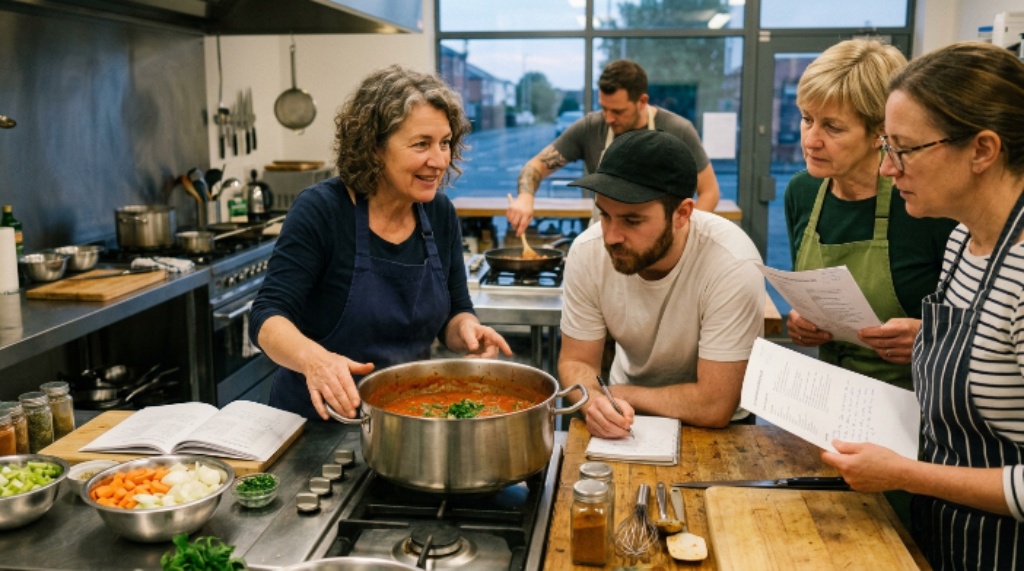
Plan Every Session Carefully
Preparation reduces stress during meetings. Good planning also prevents wasted ingredients and confusion.
Create a simple schedule before each session.
Include:
- Recipe selection
- Ingredient list
- Equipment checklist
- Safety reminders
- Learning objectives
- Cleaning responsibilities
A consistent structure helps members know what to expect.
Choose Recipes Wisely
Start with recipes that match your members’ skill levels.
Simple dishes build confidence quickly. Later sessions can introduce advanced techniques.
Good beginner recipes include:
- Fresh salads
- Pasta dishes
- Homemade pizza
- Fruit parfaits
- Vegetable wraps
- Simple soups
Avoid recipes requiring expensive equipment during early meetings.
Build a Safe Kitchen Environment
Safety should remain your highest priority. Every member must understand kitchen rules before cooking begins.
Explain proper hand washing before touching ingredients. Demonstrate safe knife handling and correct food storage practices.
Review emergency procedures during your first meeting. Repeat important reminders regularly.
Create Simple Kitchen Rules
Display rules where everyone can see them.
Include expectations such as:
- Wash hands before cooking.
- Tie back long hair.
- Wear closed shoes.
- Keep workstations clean.
- Report spills immediately.
- Handle hot equipment carefully.
Clear expectations reduce accidents and improve organisation.
Organise Ingredients Efficiently
Measure ingredients before members arrive whenever possible. Preparation saves valuable teaching time.
Store ingredients in labelled containers. Group items according to each recipe.
Always purchase slightly more ingredients than necessary. Unexpected spills happen even with experienced cooks.
Keep backup ingredients available for popular recipes.
Teach Basic Skills Before Complex Recipes
Cooking confidence grows through strong fundamentals. Spend time teaching essential techniques before introducing challenging meals.
Demonstrate each skill slowly. Then allow members to practise independently with guidance.
Focus on techniques rather than speed.
Essential Skills Every Member Should Learn
Teach these important abilities first:
- Reading recipes accurately
- Measuring ingredients correctly
- Knife safety
- Mixing techniques
- Food hygiene
- Heat control
- Kitchen organisation
Strong foundations improve future cooking success.
Make Learning Interactive
Cooking clubs work best when members actively participate. Avoid turning sessions into long demonstrations.
Ask questions throughout each activity. Encourage members to predict outcomes before cooking begins.
Invite everyone to share ideas and cooking experiences.
Group discussions often produce valuable learning opportunities.
Rotate Responsibilities
Assign different tasks each session.
Members can rotate through:
- Ingredient preparation
- Mixing
- Cooking
- Timing
- Plating
- Cleaning
Shared responsibility builds teamwork and leadership.
Keep Sessions Fun
Learning becomes memorable when people enjoy themselves. Small activities increase excitement without distracting from cooking.
Introduce friendly challenges occasionally.
Ideas include:
- Mystery ingredient contests
- Healthy recipe makeover
- Team cooking races
- Cultural cooking nights
- Seasonal recipe competitions
Balance education with entertainment.
Introduce Nutrition Naturally
Cooking clubs provide excellent opportunities to discuss healthy eating.
Explain why certain ingredients benefit the body. Compare fresh ingredients with processed alternatives.
Avoid overwhelming members with technical information.
Simple practical advice remains easier to remember.
Highlight Smart Ingredient Choices
Teach members to include:
- Fresh vegetables
- Whole grains
- Lean proteins
- Healthy fats
- Fresh herbs
- Seasonal produce
These habits support healthier everyday cooking.
Manage Your Budget Carefully
Financial planning keeps clubs sustainable. Estimate ingredient costs before scheduling recipes.
Purchase seasonal produce whenever available. Buying in bulk often reduces overall expenses.
Track spending after every session.
Look for reusable equipment instead of disposable alternatives.
Encourage Teamwork
Cooking naturally develops collaboration. Members learn communication while completing shared tasks.
Pair experienced participants with beginners. Everyone benefits from cooperative learning.
Celebrate team success rather than individual competition.
Positive teamwork creates stronger friendships.
Invite Guest Experts
Special guests introduce fresh perspectives. Local chefs, dietitians, bakers, or food educators often enjoy sharing their expertise.
Guest demonstrations inspire members while expanding their knowledge.
Plan guest sessions around club learning goals.
Prepare members with questions before visitors arrive.
Celebrate Different Food Cultures
Cooking introduces members to traditions from around the world.
Select recipes representing different cuisines throughout the year.
Discuss ingredients, cooking methods, and cultural traditions respectfully.
These experiences broaden appreciation for global food diversity.
Evaluate Every Session
Continuous improvement strengthens your cooking club.
Ask members what they enjoyed most. Encourage honest suggestions after each meeting.
Keep simple records covering:
- Attendance
- Popular recipes
- Budget performance
- Learning achievements
- Member feedback
Small adjustments improve future sessions significantly.
Build Long Term Engagement
Successful clubs keep members excited about future meetings.
Share upcoming themes in advance. Offer occasional surprise activities to maintain enthusiasm.
Celebrate milestones together.
Certificates, recipe collections, or small cooking challenges reward consistent participation.
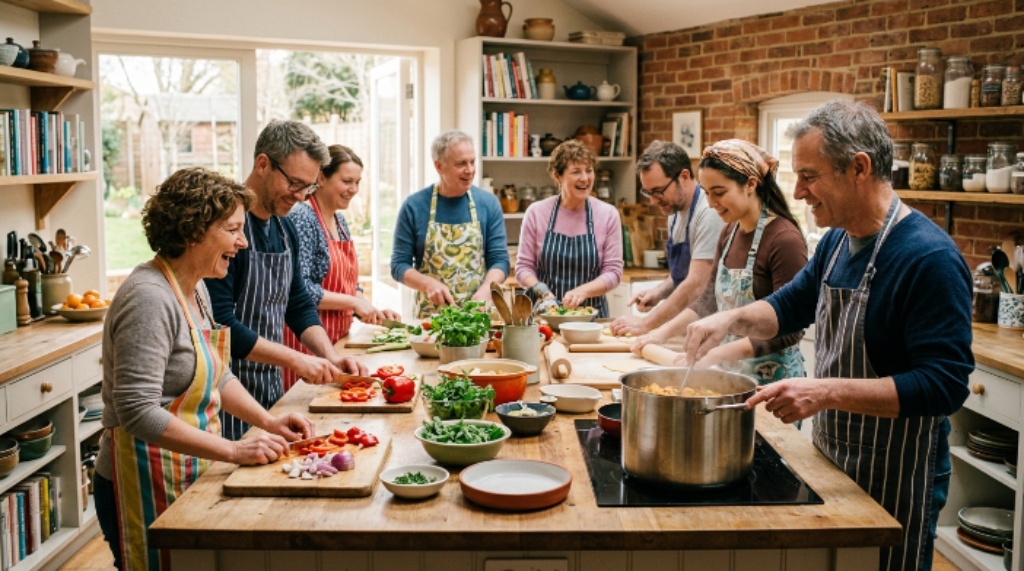
Create Member Recipe Books
Invite members to contribute favourite recipes.
Include:
- Personal cooking tips
- Photos
- Healthy substitutions
- Family traditions
- Seasonal favourites
A shared recipe collection becomes a meaningful club keepsake.
Handle Common Challenges
Every cooking club experiences occasional obstacles. Preparation helps leaders respond confidently.
Late arrivals, missing ingredients, equipment problems, and different skill levels require flexibility.
Always prepare backup recipes using simple ingredients.
Maintain a positive attitude when unexpected situations occur.
Measure Your Club Success
Success involves more than completed recipes. Observe how members grow over time.
Look for improvements in:
- Cooking confidence
- Teamwork
- Kitchen safety
- Communication
- Creativity
- Healthy food choices
These outcomes demonstrate meaningful progress beyond cooking alone.
Conclusion
Running a successful cooking club requires thoughtful planning, consistent organisation, and genuine enthusiasm for helping others learn. Clear goals, engaging lessons, safe kitchen practices, and inclusive activities create an enjoyable experience for every participant. Focus on practical skills, encourage teamwork, and celebrate progress throughout the journey. Start with simple recipes, build confidence gradually, and continue improving each session through member feedback. Begin planning your cooking club today and create memorable experiences that inspire lifelong cooking skills.
FAQs
How often should a cooking club meet?
Meeting once each week provides enough practice while keeping members engaged.
What is the ideal group size for a cooking club?
Ten to fifteen members usually allows effective supervision and active participation.
How can beginners enjoy a cooking club?
Simple recipes and supportive instruction help beginners build confidence quickly.
What safety rule matters most during cooking sessions?
Proper hand washing and careful food handling should always come first.
Should cooking clubs include nutrition lessons?
Yes, practical nutrition discussions help members make healthier food choices while cooking.