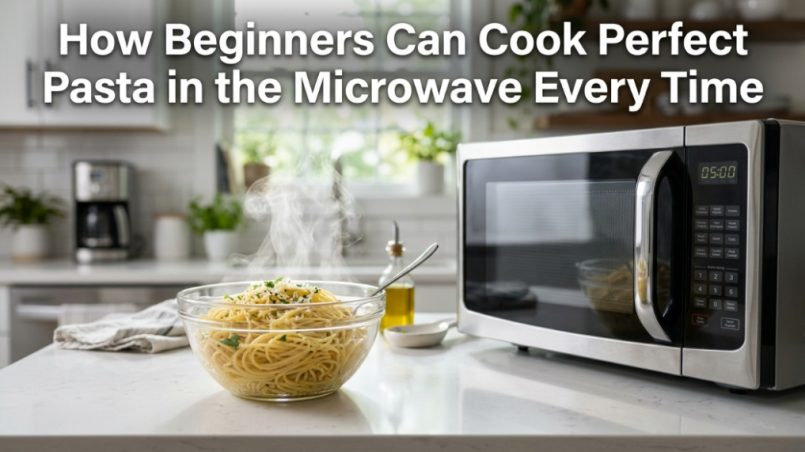
Most people think perfect pasta begins with a large pot of boiling water, but one of the easiest ways to achieve consistent results is microwave cooking pasta in a controlled container that prevents sticking, overflow, and uneven cooking. For beginners, microwave cooking pasta can produce tender, evenly cooked noodles in less time, with fewer dishes and surprisingly reliable results when the right method is followed.
What Is Microwave Cooking Pasta and Why Is It Becoming So Popular?
Direct answer: Microwave cooking pasta is the process of cooking dry pasta using water and microwave heat instead of a stovetop pot. It is popular because it saves time, reduces cleanup, and simplifies meal preparation for beginners.
Traditional pasta preparation requires monitoring boiling water, adjusting heat levels, and draining large pots safely. Many students, busy professionals, apartment dwellers, and beginner home cooks prefer microwave methods because they eliminate several common challenges.
According to consumer kitchen trend reports, demand for microwave-friendly cookware continues to grow as households seek convenient meal solutions. Modern microwave pasta cookers help distribute heat more evenly, reducing the risk of undercooked centers and mushy edges.
For anyone looking to simplify weeknight cooking, choosing a dedicated microwave pasta cooker designed for consistent results can make the process even easier while minimizing trial and error.
Common pasta varieties suitable for microwave preparation include:
- Spaghetti
- Penne
- Rotini
- Farfalle
- Macaroni
- Fusilli
- Shell pasta
- Rigatoni
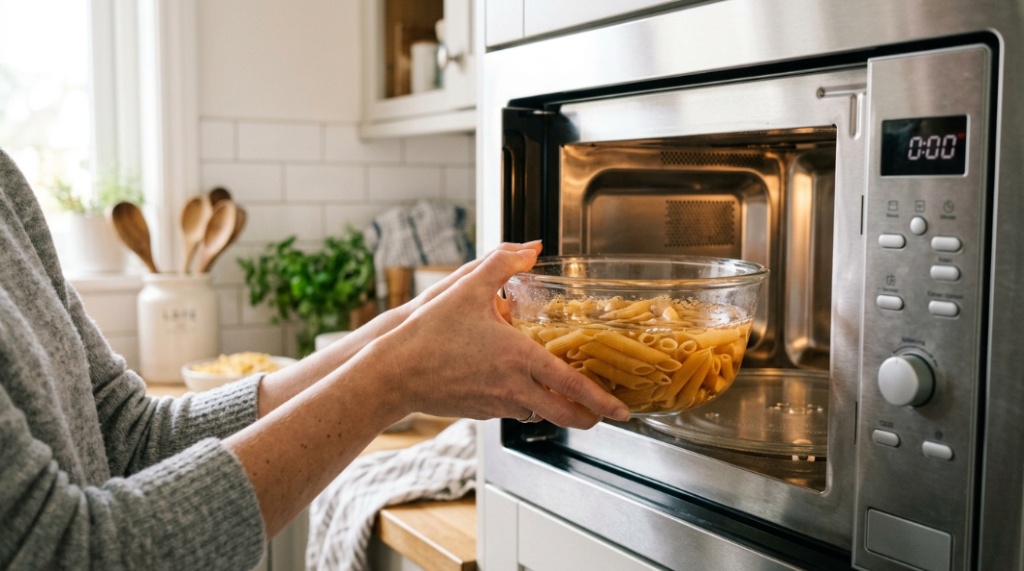
How Can Beginners Cook Pasta Perfectly in the Microwave?
Direct answer: Add pasta and water to a microwave-safe container, cook according to package timing plus a few additional minutes, stir occasionally, and test for doneness before draining.
Success comes from maintaining the proper water-to-pasta ratio and avoiding overcrowding. Unlike stovetop cooking, microwave energy heats water differently, making occasional stirring important.
Step 1: Measure the Pasta Correctly
Use approximately:
- 2 ounces (56g) dry pasta per serving
- 4–5 cups water per 8 ounces pasta
Step 2: Choose a Large Microwave-Safe Container
The container should have enough space for water expansion and bubbling. Overflow is one of the most common beginner mistakes.
Step 3: Fully Submerge the Pasta
Every piece should remain underwater throughout cooking. Add extra water if necessary.
Step 4: Microwave on High
Most pasta requires:
| Pasta Type | Approximate Microwave Time |
|---|---|
| Macaroni | 8–10 minutes |
| Penne | 10–12 minutes |
| Rotini | 10–12 minutes |
| Farfalle | 11–13 minutes |
| Spaghetti | 12–14 minutes |
Step 5: Stir Every Few Minutes
Stirring prevents clumping and encourages even cooking.
Step 6: Test Before Draining
Taste one piece. It should be tender with slight firmness in the center, known as al dente.
What Water-to-Pasta Ratio Produces the Best Results?
Direct answer: A generous amount of water produces more evenly cooked pasta and prevents sticking.
Insufficient water causes starch concentration to increase rapidly. This creates sticky pasta and inconsistent texture.
A useful beginner guideline:
- 1 cup dry pasta = 2–3 cups water
- 2 cups dry pasta = 4–6 cups water
- 3 cups dry pasta = 6–8 cups water
Using slightly more water is usually safer than using too little.
Which Microwave Pasta Cooker Works Best for Beginners?
Direct answer: A microwave pasta cooker with measurement markings, a vented lid, and integrated draining features provides the easiest learning experience.
Dedicated microwave cookware improves consistency because it is specifically engineered for heat circulation and water management.
Many cooks compare different kitchen tools before choosing specialized equipment. Reviews of products such as the Nuvantee 2-in-1 pasta-making system often highlight how specialized designs can streamline food preparation and improve convenience.
Important features include:
- Heat-resistant construction
- Built-in strainer lid
- Clear measurement indicators
- Large capacity
- Dishwasher-safe materials
- Steam venting system
| Feature | Benefit |
|---|---|
| Measurement Marks | Accurate water levels |
| Drain Lid | Safer draining |
| Deep Capacity | Prevents overflow |
| Microwave-Safe Plastic | Even heating |
| Vented Top | Reduces pressure buildup |
Why Does Pasta Sometimes Turn Mushy in the Microwave?
Direct answer: Mushy pasta usually results from excessive cooking time, too much water retention, or failure to check doneness before the cooking cycle ends.
Microwaves vary significantly in power output. A recipe designed for a 1200-watt microwave may overcook pasta in a more powerful unit.
Common causes include:
- Cooking too long
- Not checking pasta early
- Allowing pasta to sit in hot water afterward
- Using very thin pasta varieties
- Ignoring microwave wattage differences
Begin checking pasta approximately two minutes before the suggested finish time.
How Can You Prevent Pasta from Sticking Together?
Direct answer: Use enough water, stir periodically, and drain immediately after cooking.
Starch released during cooking causes noodles to stick. Proper movement and hydration minimize this issue.
Helpful techniques include:
- Stir after the first 2–3 minutes
- Stir again halfway through cooking
- Separate long noodles before cooking
- Drain promptly
- Toss with sauce immediately
Many beginners assume oil should be added to cooking water. While it may reduce surface foaming slightly, adequate stirring is generally more effective.
Can Different Types of Pasta Be Cooked in the Microwave?
Direct answer: Yes. Most dried pasta varieties cook successfully in the microwave, although cooking times vary by shape and thickness.
Short pasta often cooks more evenly because water circulates freely around each piece.
Best Choices for Beginners
- Penne
- Rotini
- Macaroni
- Shells
- Farfalle
More Challenging Choices
- Angel hair pasta
- Fresh pasta
- Very thick artisan pasta
- Filled pasta varieties
Long noodles like spaghetti can still be cooked successfully by gradually softening them until they fit fully inside the container.
What Are the Biggest Microwave Pasta Mistakes Beginners Make?
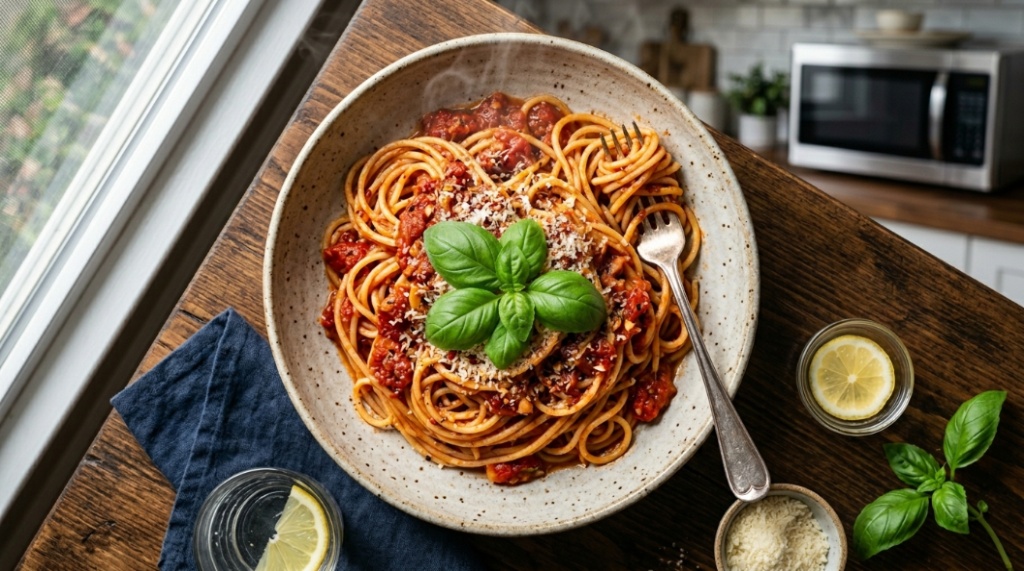
Direct answer: The most common mistakes include insufficient water, overcrowding containers, skipping stirring, and relying solely on package timing.
Understanding these pitfalls dramatically improves results.
- Using a small bowl
- Ignoring microwave wattage differences
- Cooking multiple servings without increasing water
- Forgetting mid-cook stirring
- Leaving pasta in hot water after cooking
- Failing to taste-test before draining
- Overfilling containers
Most cooking failures can be traced back to one of these simple errors.
How Does Microwave Pasta Compare with Stovetop Pasta?
Direct answer: Microwave pasta offers convenience and reduced cleanup, while stovetop cooking may provide slightly greater control for large batches.
| Factor | Microwave Method | Stovetop Method |
|---|---|---|
| Convenience | Excellent | Moderate |
| Cleanup | Minimal | More dishes |
| Monitoring | Low | Higher |
| Large Portions | Limited | Better |
| Beginner Friendly | Very High | Moderate |
| Safety | No open flame | Boiling pot handling |
For single servings and quick meals, microwave preparation is often the easier choice.
What Sauces Pair Best with Microwave-Cooked Pasta?
Direct answer: Any traditional pasta sauce can be used with microwave-cooked pasta because the cooking method does not affect sauce compatibility.
Popular options include:
- Marinara sauce
- Alfredo sauce
- Pesto
- Bolognese sauce
- Garlic butter sauce
- Tomato basil sauce
- Olive oil and herbs
Many home cooks who enjoy making fresh pasta also explore traditional equipment like the classic Imperia pasta machine when moving beyond quick microwave meals into homemade pasta preparation.
Can You Prepare Complete Microwave Pasta Meals?
Direct answer: Yes. Vegetables, proteins, and sauces can be incorporated to create complete meals using a microwave-friendly approach.
Easy meal ideas include:
- Pasta with steamed broccoli and Alfredo sauce
- Penne with chicken and marinara
- Rotini with vegetables and pesto
- Macaroni with cheese sauce
- Spaghetti with turkey meatballs
These meals require minimal cookware while providing balanced nutrition and satisfying flavor.
Conclusion: Is Microwave Cooking Pasta a Reliable Method for Beginners?
Direct answer: Absolutely. Microwave cooking pasta is one of the easiest and most beginner-friendly methods for preparing consistently tender pasta with minimal equipment and cleanup.
Success depends on a few simple fundamentals: using sufficient water, selecting an appropriately sized container, stirring periodically, and checking doneness before draining. Once these basics become routine, beginners can prepare penne, spaghetti, macaroni, rotini, and many other pasta varieties with confidence.
Whether you’re cooking in a dorm room, apartment, office kitchen, or busy household, microwave pasta preparation provides a fast and practical solution. As your skills grow, exploring tools such as Marcato pasta machine accessories and attachments can open the door to fresh homemade pasta and more advanced pasta-making techniques.
Start with one serving, follow the timing guidelines, and make small adjustments based on your microwave. With practice, perfect pasta becomes a repeatable result rather than a guessing game.
FAQ: Microwave Cooking Pasta Questions Beginners Ask Most
Can I cook pasta in the microwave without a special pasta cooker?
Yes. Any large microwave-safe bowl or container can be used as long as there is sufficient room for water expansion and occasional stirring.
How long should pasta cook in the microwave?
Most dried pasta cooks in 8–14 minutes. Exact timing depends on pasta shape, quantity, microwave wattage, and preferred texture.
Do I need to cover pasta while microwaving?
A vented cover is recommended. It helps reduce splattering while allowing steam to escape safely during cooking.
Can spaghetti be cooked in the microwave?
Yes. Spaghetti softens gradually during cooking. Once the submerged portion becomes flexible, the remaining strands can be pushed fully into the water.
Should I add oil to the microwave pasta water?
Usually no. Adequate water and periodic stirring are more effective at preventing sticking than adding oil.
Can microwave pasta be cooked al dente?
Yes. Begin testing the pasta a few minutes before the estimated finish time and stop cooking once the center retains slight firmness.
Is microwave-cooked pasta as good as stovetop pasta?
For most everyday meals, yes. Properly cooked microwave pasta achieves a texture very similar to stovetop pasta while offering greater convenience and easier cleanup.
