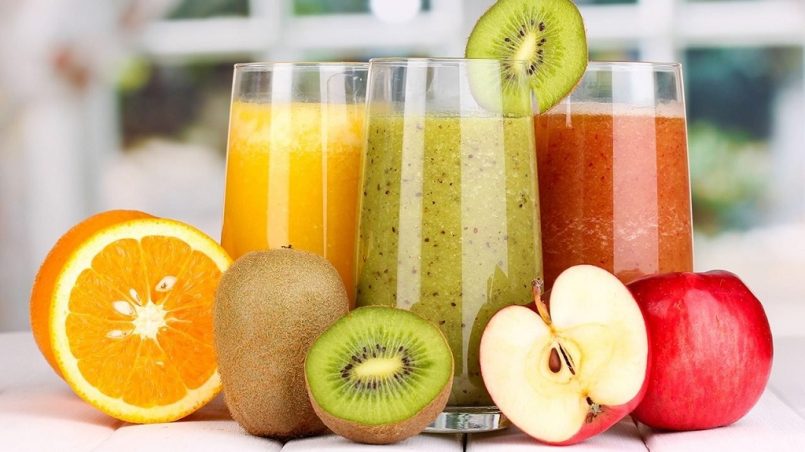
Why Make Juice Without a Juicer?
You might think a juicer is the only way to get smooth, pulp-free juice, but that’s not true. Making juice without a juicer has its own benefits:
- Healthier choice: You control every ingredient, avoiding added sugars and preservatives found in bottled juices.
- Convenience: You can make juice anytime with common kitchen tools.
- Budget-friendly: Juicers can be expensive and take up counter space. Your blender or strainer works just fine.
- Eco-friendly: Less waste, less cleanup, and no need for a bulky appliance.
Best Tools You Can Use Instead of a Juicer
There’s a good chance you already have everything you need. Here are the best tools to make fresh juice without investing in a juicer:
- Blender: The easiest and most effective alternative. Great for leafy greens, fruits, and root veggies.
- Food Processor: Works well for fibrous produce like carrots or beets.
- Hand Grater or Zester: Ideal for citrus fruits and ginger.
- Mortar and Pestle: Perfect for herbs like mint or basil to make refreshing herbal juices.
- Potato Masher or Fork: Great for soft fruits such as watermelon, mango, or berries.
- Cheesecloth, Nut Milk Bag, or Fine Strainer: Helps you remove pulp and get a smooth, drinkable juice.
Step-by-Step: How to Make Juice Without a Juicer
Here’s a simple process you can follow to make homemade juice with whatever tools you have.
- Wash and Prepare Your Produce: Choose ripe, fresh fruits and vegetables. Wash them thoroughly and cut them into small pieces for easier blending or mashing.
- Blend or Mash: Use a blender or food processor. If you don’t have either, use a fork or masher to manually crush soft fruits.
- Add Water (Optional): Add a little water to help the mixture blend smoothly and adjust the thickness.
- Strain the Mixture: Pour the mixture through a fine strainer, cheesecloth, or nut milk bag into a bowl or jug. Squeeze gently to extract as much liquid as possible.
- Collect and Serve: Transfer the strained juice into a clean glass or bottle.
- Chill and Enjoy: For a refreshing experience, serve over ice or chill in the fridge for 30 minutes.
Juice Combinations That Work Without a Juicer
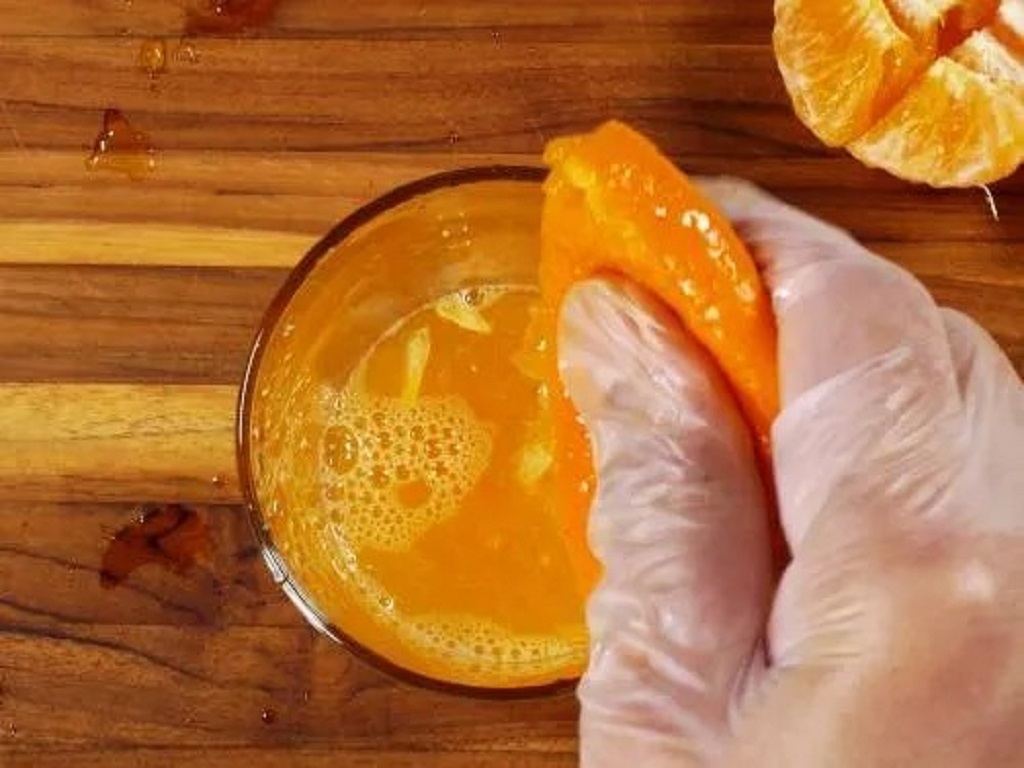
Here are a few easy and tasty combinations that work perfectly with a blender or other tools:
- Classic Green Juice: Spinach, cucumber, apple, lemon, and a little water.
- Citrus Boost: Orange, grapefruit, and lime — tangy and full of vitamin C.
- Tropical Smooth Juice: Pineapple, mango, and coconut water for a sweet, tropical taste.
- Berry Blast: Strawberries, blueberries, and a splash of lemon for an antioxidant punch.
- Carrot-Apple Fusion: Carrot, apple, and a small piece of ginger for a vibrant, energizing drink.
Pro Tips for Better Flavor and Texture
Making juice at home is easy, but these simple tricks can make a big difference in taste and texture:
- Chill your fruits before blending for a crisp, refreshing flavor.
- Add a bit of lemon juice to prevent oxidation and maintain color.
- Include herbs like mint or basil for extra aroma and freshness.
- Don’t over-blend — it can make the juice foamy.
- Strain twice for a smoother texture if you prefer pulp-free juice.
What to Do With Leftover Pulp
Don’t throw away the leftover pulp — it’s packed with fiber and nutrients. Here’s how you can use it:
- Bake with it: Mix pulp into muffins, pancakes, or bread for added moisture and flavor.
- Freeze it: Store in small portions for soups, smoothies, or stews.
- Compost it: A great way to reduce kitchen waste naturally.
- Use it for skincare: Some fruit pulps like cucumber, papaya, or banana make great face masks.
Cleaning Up Easily
Juicing without a machine is less messy, but here’s how to make cleanup even easier:
- Rinse all tools immediately after use to prevent sticky residue.
- Soak strainers and cloths in warm water with a bit of lemon juice.
- Blend warm water with a teaspoon of baking soda to clean your blender naturally.
Common Mistakes to Avoid
These small missteps can affect the quality and taste of your juice:
- Overloading the blender without adding enough water.
- Using unripe or overripe fruits that throw off the flavor balance.
- Skipping the straining step, leaving your juice too pulpy.
- Letting the juice sit out too long before chilling, which can lead to nutrient loss.
Final Thoughts
You don’t need fancy equipment to enjoy the goodness of fresh juice. With a few simple hacks and common kitchen tools, you can make healthy, flavorful juices in minutes. Experiment with different combinations and find what works best for your taste and routine. Homemade juice not only saves money but also helps you stay consistent with your wellness goals.
For more insights on juice nutrition and health benefits, check out Healthline’s guide on juicing.
Read More Also: How to Mod Assetto Corsa for Beginners
FAQs
-
Can I make juice ahead of time?
Yes, but homemade juice is best consumed within 24 hours. Store it in an airtight container in the fridge to preserve nutrients and freshness.
-
Do I need to peel fruits before blending?
Not always. You can keep the peel on fruits like apples or cucumbers, but remove thick or bitter skins like oranges, pineapples, or melons.
-
How long does homemade juice last?
Typically 1–2 days in the refrigerator. After that, it starts losing flavor and nutrients.
-
Can I freeze homemade juice?
Yes. Freeze in small airtight containers or ice cube trays for up to 3 months. Thaw in the fridge before drinking.
-
Does blending destroy nutrients?
No, blending causes minimal nutrient loss. In fact, it retains more fiber and plant compounds than traditional juicing.
-
What fruits are easiest to juice without a juicer?
Soft fruits like oranges, grapes, watermelon, and berries blend and strain easily with minimal effort.
