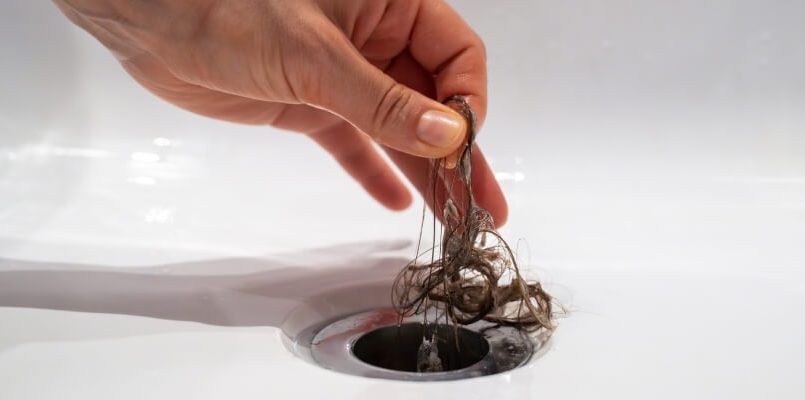
A clogged shower drain can quickly turn your relaxing shower into a frustrating experience. Standing water pooling around your feet is not only unpleasant but can also lead to more serious plumbing issues. According to home improvement experts at House I Love, drain clogs are among the most common bathroom problems homeowners face. The good news is that most shower drain clogs can be resolved with simple tools and techniques you likely already have at home.
Walk-in showers are particularly susceptible to drainage issues due to their design and frequent use. Hair, soap scum, and mineral deposits gradually accumulate in the drain pipe, creating stubborn blockages. Understanding how to repair a walk in shower drain system properly can save you time, money, and the hassle of calling a professional plumber. Many homeowners successfully tackle these issues themselves with the right approach and patience.
Before diving into removal techniques, it’s important to identify the severity of your clog. Minor blockages near the surface respond well to basic cleaning methods, while deeper obstructions may require more intensive solutions. The key is starting with gentle approaches and gradually moving to stronger methods if needed.
Identifying Common Causes of Shower Drain Clogs
Hair accumulation stands as the primary culprit behind most shower drain blockages. Long hair, in particular, tends to wrap around drain components and trap other debris. Soap residue combines with hair to create a sticky mass that grows over time. Hard water minerals add another layer of complexity, as they deposit on pipe walls and reduce water flow capacity.
Body oils, dead skin cells, and small bathroom items occasionally contribute to blockages. Some homeowners unknowingly wash items down the drain that shouldn’t enter the plumbing system. Understanding these causes helps prevent future clogs and informs your removal strategy.
Essential Tools for Drain Clog Removal
Gathering the right tools before starting makes the process much smoother. A drain snake or auger serves as your primary weapon against stubborn clogs. Rubber gloves protect your hands from unpleasant debris and harsh cleaning chemicals. A flashlight or headlamp helps you see into dark drain openings clearly.
Needle-nose pliers prove invaluable for grabbing visible hair clumps near the surface. A small bucket catches debris and dirty water during the cleaning process. Basic household items like baking soda, white vinegar, and dish soap often work as effective cleaning agents. Having these tools ready streamlines your repair efforts significantly.
Manual Removal Techniques
Start with the simplest approach by removing visible debris from the drain opening. Put on rubber gloves and use your fingers or needle-nose pliers to pull out hair, soap chunks, and other materials you can see. This surface cleaning sometimes resolves minor clogs immediately.
For deeper blockages, a drain snake becomes essential. Insert the snake into the drain and twist it as you push downward. The snake’s coiled design catches hair and debris, allowing you to pull it back up. Work slowly and methodically, as rushing can push the clog deeper into the system.
If you don’t own a drain snake, a straightened wire coat hanger can serve as a substitute. Create a small hook at one end to catch debris. While less effective than a proper snake, this improvised tool often works for shallow clogs.
Chemical-Free Cleaning Solutions
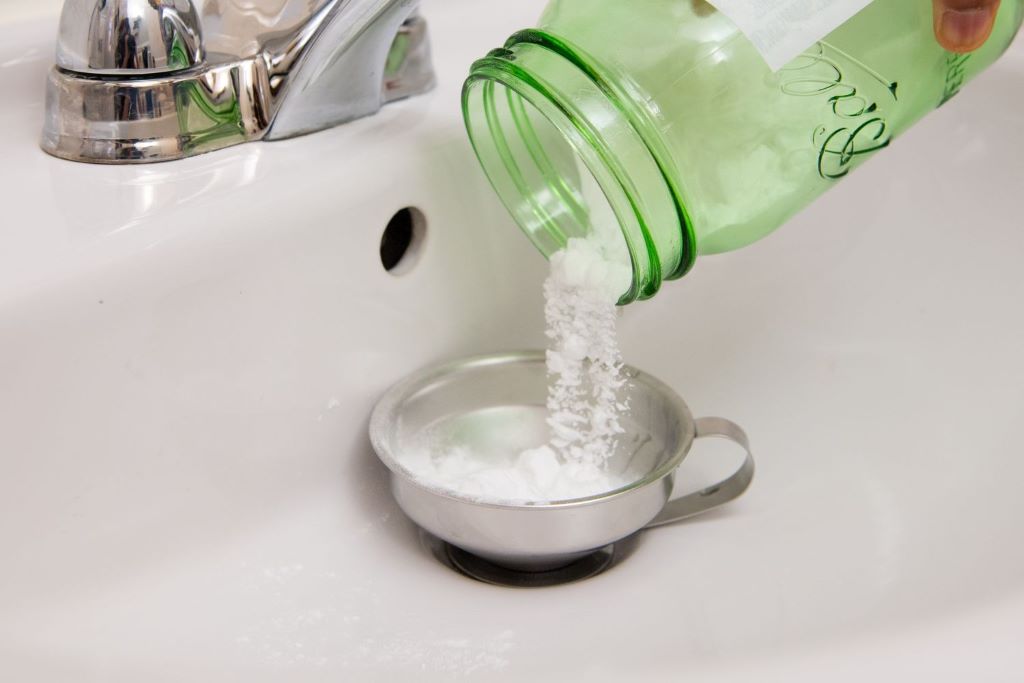
Natural cleaning methods offer safe alternatives to harsh chemical drain cleaners. The classic baking soda and vinegar combination creates a fizzing action that helps break down organic matter. Pour half a cup of baking soda into the drain, followed by half a cup of white vinegar. Cover the drain with a wet cloth and wait fifteen minutes before flushing with hot water.
Hot water alone can sometimes dissolve soap scum and loosen minor blockages. Boil a large pot of water and pour it slowly down the drain in two or three stages. Allow the hot water to work for a few minutes between pours. This method works particularly well for soap-based clogs.
Dish soap mixed with hot water creates a slippery solution that helps flush away greasy buildup. Squirt a generous amount of liquid dish soap into the drain, let it sit for twenty minutes, then flush with very hot water. The soap lubricates the pipe walls and helps debris slide through more easily.
When to Use Commercial Drain Cleaners
Chemical drain cleaners should be your last resort before calling a professional. These products contain strong acids or bases that can damage pipes if used incorrectly. Always read labels carefully and follow safety instructions precisely. Ensure adequate ventilation when using these products, as fumes can be harmful.
Choose enzyme-based cleaners when possible, as they work more gently than caustic chemicals. These biological cleaners break down organic matter over time without damaging pipe materials. They work slower than harsh chemicals but offer a safer approach for regular maintenance.
Never mix different types of drain cleaners, as chemical reactions can create dangerous gases. If one product doesn’t work, wait several hours and flush thoroughly before trying another approach. Understanding how to repair a walk in shower drain safely protects both your plumbing system and your health.
Advanced Techniques for Stubborn Clogs
Persistent clogs may require more aggressive approaches. A plumber’s auger, also called a toilet snake, can reach deeper into the drain system than standard drain snakes. These tools feature longer cables and more robust construction for tackling serious blockages.
Hydro jetting uses high-pressure water to blast through clogs and clean pipe walls. While this technique typically requires professional equipment, some hardware stores rent smaller units for homeowner use. Always follow safety guidelines, as the high-pressure water can cause injury if mishandled.
Removing the drain cover sometimes reveals clogs that other methods can’t reach. Most shower drain covers lift out or unscrew easily. Clean the cover thoroughly before reinstalling, as buildup here often contributes to drainage problems.
Preventive Maintenance Strategies
Regular maintenance prevents most drain clogs from developing. Install a drain screen or hair catcher to trap debris before it enters the plumbing system. These inexpensive devices require regular cleaning but dramatically reduce clog frequency.
Weekly hot water flushes help dissolve soap scum before it hardens. Pour a pot of boiling water down the drain once a week to maintain clear passages. This simple habit prevents many minor blockages from becoming major problems.
Monthly deep cleaning using baking soda and vinegar keeps drains flowing smoothly. Make this part of your regular bathroom maintenance routine. Consistency in these small tasks saves time and money on major repairs later.
Professional Help Indicators
Some situations require professional plumbing services. Multiple drains backing up simultaneously suggests a main sewer line problem beyond DIY capabilities. Sewage odors coming from drains indicate serious issues that need immediate professional attention.
Recurring clogs despite regular maintenance may signal structural problems in your plumbing system. Tree roots, pipe damage, or improper installation can cause ongoing drainage issues. Professional plumbers have specialized equipment to diagnose and repair these complex problems.
Water backing up into other fixtures when you use the shower indicates a serious blockage in your main drain line. Don’t attempt to resolve these issues yourself, as they often involve your home’s primary plumbing infrastructure.
Cost-Effective Solutions
DIY drain cleaning saves significant money compared to professional service calls. Most clogs respond well to simple tools and household materials costing under twenty dollars total. Investing in a quality drain snake pays for itself after just one or two uses.
Preventive maintenance costs pennies compared to emergency plumbing services. Drain screens, regular cleaning supplies, and basic tools represent a small investment that prevents expensive repairs. Learning how to repair a walk in shower drain system yourself builds valuable homeowner skills.
Budget-friendly alternatives exist for every cleaning method discussed. Wire coat hangers substitute for professional snakes, dish soap replaces expensive cleaners, and hot water works as well as many commercial products. Creative problem-solving often produces excellent results without breaking your budget.
Conclusion
Successfully removing walk-in shower drain clogs requires patience, the right tools, and a systematic approach. Start with simple manual removal and natural cleaning solutions before progressing to more intensive methods. Regular preventive maintenance prevents most clogs from developing in the first place.
Understanding when to attempt DIY repairs versus calling professionals protects your plumbing system and ensures safe outcomes. Most homeowners can handle routine clogs effectively with basic tools and techniques. However, persistent problems or multiple fixture backups warrant professional evaluation.
Remember that prevention remains your best strategy for avoiding future drainage issues. Simple habits like using drain screens, weekly hot water flushes, and monthly deep cleaning maintain clear, flowing drains year-round.
Frequently Asked Questions
Q: How often should I clean my shower drain to prevent clogs? A: Clean your shower drain weekly by removing visible debris and monthly with baking soda and vinegar for optimal maintenance.
Q: Can I use bleach to clear a shower drain clog? A: While bleach can help with odors and bacteria, it’s not effective for removing physical blockages like hair and soap scum. Stick to mechanical removal and natural cleaning solutions.
Q: What’s the difference between a drain snake and a plumber’s auger? A: Drain snakes are shorter tools designed for shallow clogs, while plumber’s augers are longer and more robust for deeper, more stubborn blockages in the main drain line.
Q: Is it safe to remove my shower drain cover myself? A: Most shower drain covers are designed for easy removal by homeowners. However, if you’re unsure about your specific drain type or encounter resistance, consult a professional to avoid damage.
Q: When should I call a professional plumber instead of trying DIY methods? A: Call a professional if multiple drains are backing up, you smell sewage odors, water backs up into other fixtures, or DIY methods haven’t resolved the problem after several attempts.
Read More:
WHAT SHOULD YOU CONSIDER BEFORE SIGNING A DIRECTORS PERSONAL GUARANTEE?