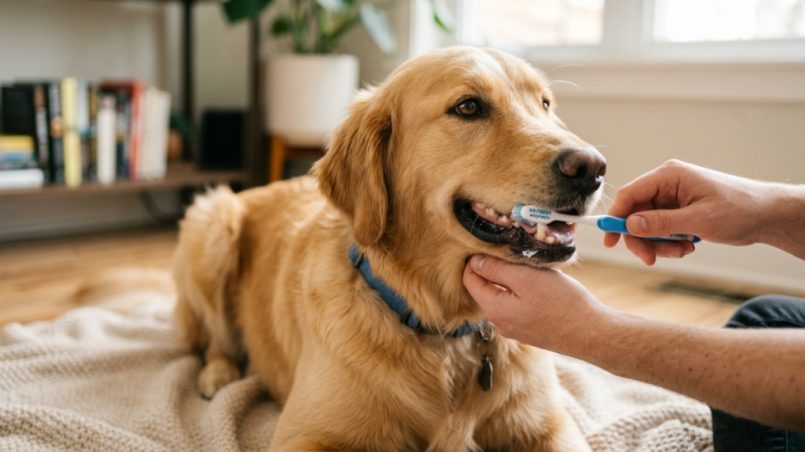
If you’ve ever tried to brush your dog’s teeth, you already know the struggle: the squirming, the dramatic sighs, and the sudden urge your pup has to investigate every corner of the room instead of standing still. It’s frustrating. But here’s the thing—dental disease is one of the most common health issues in dogs, and brushing is the single most effective way to prevent it. The problem is that many owners grab the first toothpaste they see without checking what’s actually inside. Some contain ingredients that are perfectly fine for humans but genuinely unsafe for dogs, like xylitol. That’s why choosing a safe enzymatic toothpaste for dogs is a decision that deserves more thought than a quick shelf grab. This guide walks you through what makes a toothpaste safe, which ingredients to avoid, how to pick the right formula, and how to brush your dog’s teeth without turning it into a wrestling match.
Key Takeaways
- Enzymatic toothpaste uses enzymes to break down plaque and bacteria, making it more effective than regular toothpaste for dogs.
- The most critical safety factor is avoiding xylitol, a sweetener that is highly toxic to dogs even in small amounts.
- Look for VOHC-approved products, which means they’ve been independently verified to reduce plaque or tartar.
- Flavor matters more than you think—dogs are more likely to accept brushing when the toothpaste tastes like poultry, peanut butter, or malt.
- Always use a toothpaste formulated for dogs, never human toothpaste, because human formulas often contain fluoride and foaming agents that are dangerous for pets.
What Is Enzymatic Toothpaste for Dogs and Why Does It Matter?
Enzymatic toothpaste is exactly what it sounds like: toothpaste that contains natural enzymes designed to break down bacteria and plaque in your dog’s mouth. The most common enzymes used are glucose oxidase and lactoperoxidase. These enzymes work together to create an antibacterial environment in the mouth, targeting the bacteria that cause plaque buildup and bad breath at a chemical level.
Unlike human toothpaste, which relies on abrasives and foaming agents to scrub teeth clean, enzymatic toothpaste works differently. It doesn’t need to be rinsed away, which is a huge advantage when you’re brushing a moving dog. The enzymes stay active in the mouth after brushing, continuing to break down bacteria long after you’ve put the brush down. That lingering effect is why enzymatic formulas are considered more effective for dogs than non-enzymatic alternatives.
It’s also worth noting that enzymatic toothpaste doesn’t just mask bad breath—it addresses the root cause. Bad breath in dogs is almost always bacterial in origin, so reducing the bacterial load in the mouth naturally improves breath over time. That’s a meaningful difference from sprays or rinses that only temporarily freshen breath without addressing the underlying plaque.
Which Ingredients Are Safe and Which Are Dangerous?
This is where many pet owners get confused, and honestly, it’s understandable. Pet toothpaste labels can look like a chemistry exam. But the ingredient list matters enormously because your dog will swallow most of the toothpaste you apply. There’s no spitting and rinsing in the dog world.
Ingredients You Want to See
When you flip the tube over and read the label, look for these safe and effective ingredients:
- Glucose oxidase and lactoperoxidase: These are the enzymes that give enzymatic toothpaste its plaque-fighting power.
- Silica: A gentle abrasive that helps physically scrub plaque and food debris off the tooth surface without damaging enamel.
- Sorbitol: A safe sweetener that makes the paste palatable. It’s not the same as xylitol and is considered safe for dogs in toothpaste quantities.
- Poultry, beef, or peanut butter flavoring: These make brushing significantly easier because your dog associates toothpaste with a treat, not a chore.
- Aloe vera or chamomile: Some formulas include calming ingredients that help soothe sensitive gums.
Ingredients That Are Red Flags
These ingredients should make you put the tube back on the shelf immediately:
- Xylitol: This sugar substitute is incredibly toxic to dogs. Even a small amount can cause a rapid drop in blood sugar, seizures, liver failure, or even death. It is the single most dangerous ingredient you can find in a toothpaste labeled for pets.
- Fluoride: While fluoride is great for human teeth, it’stoxic to dogs when swallowed in large amounts. Since dogs don’t rinse, they ingest almost everything. Avoid fluoride-based formulas.
- Sodium lauryl sulfate (SLS): This is the foaming agent in human toothpaste. It doesn’t harm dogs directly, but it causes foam that can make your dog panic and can irritate their stomach.
- Artificial colors and preservatives: These serve no function for your dog’s dental health and are simply unnecessary.
How to Evaluate a Safe Enzymatic Toothpaste Before Buying
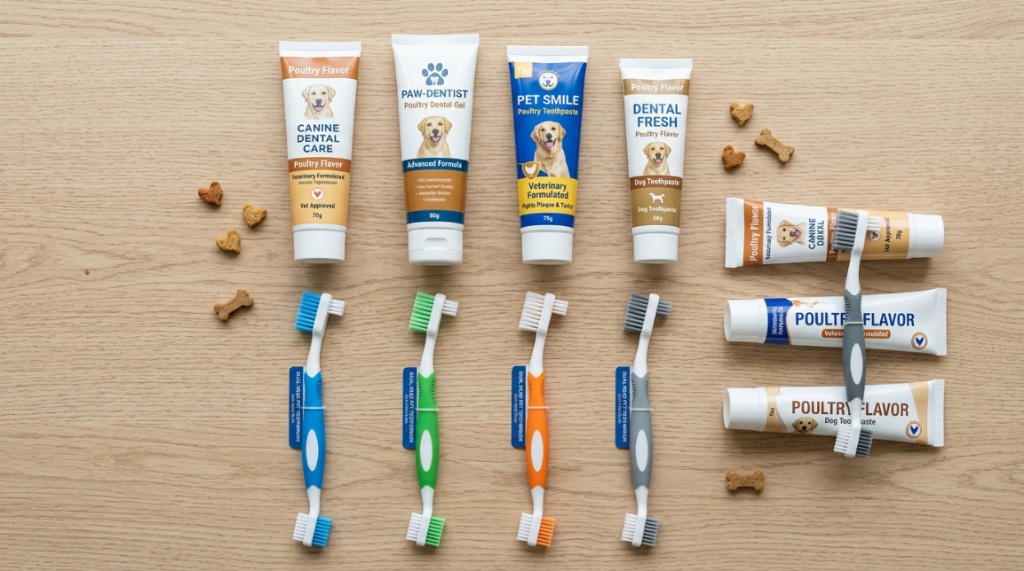
The label is your first line of defense, but it’s not the only thing you should check. A truly reliable product goes beyond just having the word “enzymatic” on the front of the tube.
Look for VOHC Approval
The Veterinary Oral Health Council (VOHC) is the gold standard for dental products for pets. If a toothpaste has the VOHC seal of acceptance, it means an independent panel of veterinary dental experts has reviewed clinical data and confirmed that the product actually reduces plaque or tartar buildup. This isn’t a marketing gimmick—it’s a genuine third-party verification.
Choose a Product Made by a Trusted Veterinary Dental Brand
Brands that specialize in veterinary dental care, or that are recommended by veterinary dentists, are more likely to follow rigorous formulation standards. Brands like Virbac (which makes C.E.T. products), Vet’s Best, and Petsmile are widely recognized in the veterinary community. These companies invest in clinical research, don’t cut corners on ingredient safety, and have a long track record of trusted products.
Check the pH Level
This is an overlooked detail that actually matters. A safe dog toothpaste should have a neutral or slightly alkaline pH, typically in the range of 6.5 to 8.0. Human toothpaste often has a more abrasive or acidic formulation that can wear down tooth enamel over time. If the product doesn’t list its pH, you can check the brand’s website or contact customer support. Good manufacturers are transparent about this kind of detail.
Common Mistakes Pet Owners Make When Choosing Toothpaste
Even well-intentioned pet owners make avoidable mistakes. Here are the most common ones I see and why they’re problematic:
Using Human Toothpaste
Human toothpaste contains fluoride, SLS, and often xylitol. None of these are safe for dogs. This is the most dangerous mistake you can make, and it’s also the most common one. If you have nothing else available, it’s better to brush your dog’s teeth with a wet brush and no toothpaste at all than to use human toothpaste, If you have other pets at home, you should also check our guide on whether Are Monstera Plants Toxic to Cats.
Choosing a Product Without Checking the Enzyme Type
Not all “enzymatic” toothpastes are created equal. Some contain only one enzyme, while others contain two or more. A formula with both glucose oxidase and lactoperoxidase provides a stronger antibacterial effect than a single-enzyme formula. If the product list only mentions one enzyme, it may still work, but you’ll get better long-term plaque control from a dual-enzyme formula.
Ignoring Your Dog’s Texture Preferences
Some dogs prefer a paste, others prefer a gel. A paste tends to stay in place longer on the brush bristles, while a gel spreads more easily and is often more acceptable to dogs who dislike the feeling of a brush. If your dog is particularly resistant, a gel formula might be the difference between a failed attempt and a successful brushing session.
Step-by-Step Guide to Brushing Your Dog’s Teeth
Finding the safe toothpaste is only half the battle. The other half is actually getting your dog to cooperate. Here’s a practical approach that works, even for anxious dogs:
- Let your dog taste the toothpaste first: Put a small dab of toothpaste on your fingertip and let your dog lick it off. Do this for a few days before you introduce the brush. This builds positive association.
- Use a finger brush or an angled toothbrush: Finger brushes are gentler and easier to control, but they don’t reach as deep into the back molars. An angled toothbrush gives better reach. Find what works best for your dog’s mouth size.
- Lift the lip and brush at a 45-degree angle: Focus on the gum line because that’s where plaque accumulates the most. Use gentle circular motions.
- Don’t worry about the inside of the teeth: The tongue naturally cleans the inside surfaces. Focus your effort on the outside surfaces of the teeth, especially the upper molars.
- Keep sessions short: Aim for 30 seconds to a minute per side. It’s better to do a quick, decent job every day than to do a full two-minute session once a week.
- Reward immediately: Give your dog a dental-friendly treat or a favorite toy right after brushing. This reinforces the routine and makes the next session easier.
Understanding the Cost and Quality Trade-Off
When it comes to pet toothpaste, you often do get what you pay for. The cheapest options on the market tend to have weaker enzyme concentrations, lower-quality abrasives, and sometimes artificial flavors that dogs dislike. Premium brands usually invest in better enzyme systems, higher-quality ingredients, and more reliable quality control.
That said, the most expensive tube on the shelf isn’t automatically the best. A mid-priced product from a reputable veterinary brand with VOHC approval is often the sweet spot. You don’t need to spend a fortune, but you should avoid the ultra-cheap generic tubes sold at discount stores. These often contain no active enzymes at all, even if the label says “enzymatic.” The word has become a marketing buzzword, so a product can claim to be enzymatic while containing only trace amounts that have no clinical effect.
When to Seek Professional Help
Toothpaste can’t fix every dental problem. If your dog has visible tartar buildup, red or bleeding gums, loose teeth, or extremely foul breath, at-home brushing is not the solution. These are signs of periodontal disease, which requires a professional dental cleaning under anesthesia. Brushing at that point can actually cause pain or aggravate the condition.
It’s also a good idea to consult your veterinarian if you’re unsure which toothpaste is right for your dog’s specific needs. Some dogs have particularly sensitive mouths, allergic reactions, or underlying health conditions that make certain ingredients less appropriate. Your vet knows your dog’s medical history and can make a more tailored recommendation.
Frequently Asked Questions
Can I use human toothpaste on my dog?
No. Human toothpaste often contains fluoride, sodium lauryl sulfate, and xylitol, all of which can be harmful or toxic to dogs. Dogs swallow toothpaste, so they don’t rinse it out. Always use a toothpaste specifically formulated for dogs.
Is xylitol really that dangerous in dog toothpaste?
Yes. Xylitol is highly toxic to dogs and can cause a rapid drop in blood sugar within minutes, leading to weakness, seizures, or liver failure. Even a small amount can be life-threatening. Never use a toothpaste that lists xylitol as an ingredient.
How often should I brush my dog’s teeth?
Daily brushing is ideal, but brushing at least 3–4 times a week is enough to make a noticeable difference in plaque control. The most important thing is consistency—regular brushing is far more effective than occasional intense sessions.
What does the VOHC seal mean?
The VOHC seal means that an independent panel of veterinary dental experts has reviewed clinical evidence and confirmed that the product significantly reduces plaque or tartar when used as directed. It’s the most reliable third-party endorsement a dental product can have.
Is it normal for my dog to resist brushing at first?
Yes, completely normal. Most dogs need time to get used to the taste, the texture, and the sensation of a brush in their mouth. Introducing the toothpaste as a treat first, using a finger brush, and keeping sessions short will help build a positive routine.
Conclusion
Finding a safe enzymatic toothpaste for dogs comes down to three simple checks: read the ingredient list carefully to avoid xylitol and fluoride, look for VOHC approval to confirm real effectiveness, and pick a flavor your dog actually enjoys. The right product is worth the effort because daily brushing—even just a few times a week—can prevent painful dental disease, expensive veterinary cleanings, and even systemic health problems linked to oral bacteria. Start with a short tasting period, use a gentle finger brush, and don’t stress about perfection. A little progress is still progress, and your dog’s teeth will thank you for it.