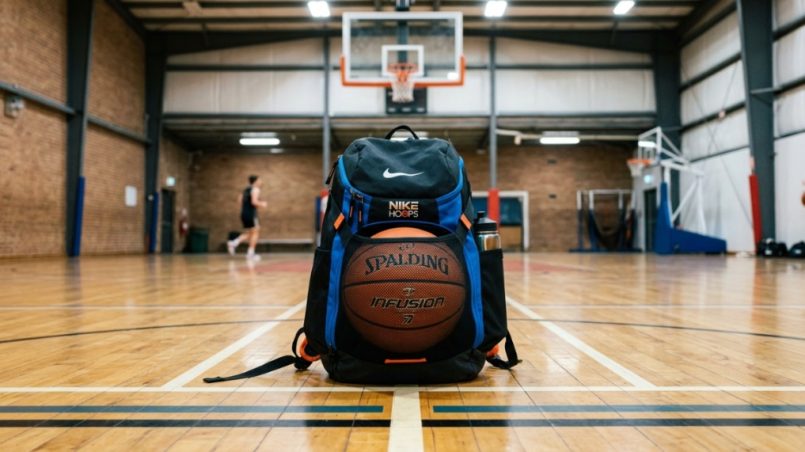
You’ve just finished a grueling pickup game at the local court, and now you’re faced with the universal athlete’s dilemma: cramming a sweaty, muddy pair of size 14s and a regulation basketball into a bag that clearly wasn’t designed for either. We’ve all been there—the awkward balancing act, the smell that lingers in your car, and the dirt that ends up coating your laptop. This isn’t just about convenience; it’s about protecting your gear and extending its lifespan. Finding the best basketball backpack for shoes and a ball requires more than just picking the biggest option on the shelf; it requires understanding compartmentalization, ventilation, and durability. In this guide, we’ll break down exactly what features matter most, how to match a bag to your playing style, and why a dedicated design beats a generic duffel every single time.
Whether you’re a weekend warrior or a daily gym rat, the right backpack keeps your court shoes from ruining your clothes and your ball from rolling down the street. We are going to dissect the anatomy of the perfect gym carryall, ensuring you make a purchase that serves you for years, not just one season.
What Defines the Best Basketball Backpack for Shoes and Ball?
The best basketball backpack is defined by its ability to isolate dirty gear from clean items while offering dedicated, secure storage for a full-size ball. Unlike standard bookbags, these specialized packs feature external shoe compartments, ball cages, and moisture-wicking materials designed to handle the rigors of athletic use. A true contender must also offer ergonomic support to handle the heavy, awkward load without destroying your back.
It’s a delicate balance of organization, durability, and comfort. Let’s look at the core components that separate a quality hoops bag from a failed experiment.
The Dedicated Shoe Compartment: Isolating the Grime
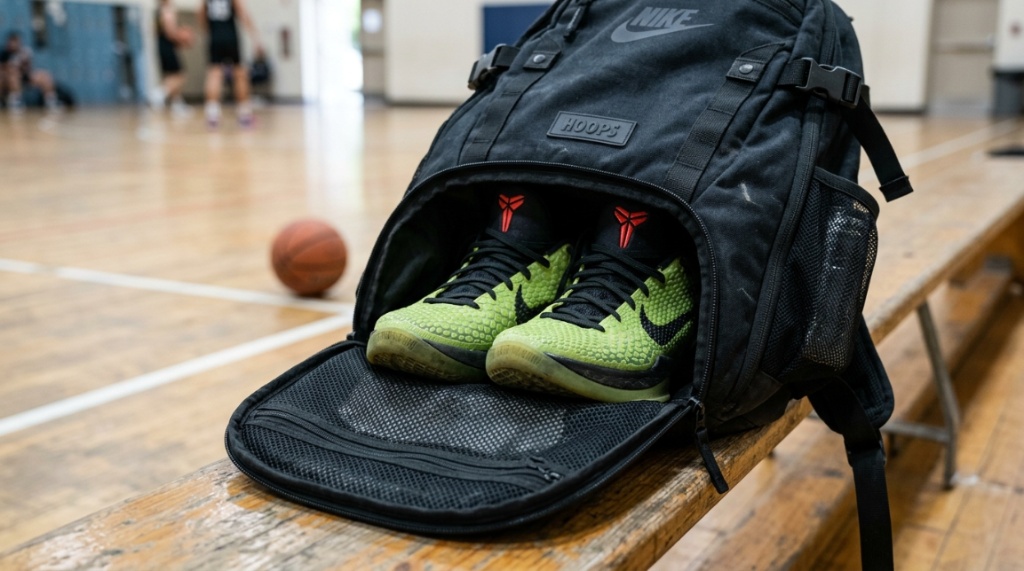
This is the non-negotiable feature. A dedicated shoe compartment is typically located at the bottom or side of the pack, separate from the main cavity. This prevents your sweaty sneakers from touching your clean clothes or electronics. The best versions use a “clamshell” opening that allows the compartment to open fully flat, so you can easily slide bulky high-tops in without fighting the fabric. Look for water-resistant lining inside this section; it makes wiping out mud and sweat a breeze rather than a deep-cleaning chore. If you are transitioning between different sports seasons or need hand protection on the diamond, learn how to use a baseball sliding mitt properly for extra safety.
The Ball Carrier: Top-Load vs. Side-Cinch
There are two primary ways to carry a basketball: a top-loading vertical sleeve or a side-cinch drop pocket. Top-loaders are usually integrated into the back panel, sitting close to your spine, which balances the weight well. Side-cinch pockets (often seen on classic gym bags) hold the ball on the outside, making access quicker but potentially throwing your center of gravity off. For commuting, a top-loader or a dedicated lower ball cage is generally safer and keeps the ball from becoming a projectile in a crowded bus or car.
Why Does Ventilation Matter More Than You Think?
Ventilation is critical because bacteria thrive in dark, damp environments—exactly what you create when you seal sweaty gear in a non-breathable bag. Without proper airflow, your bag develops an odor that no amount of Febreze can fix, and your shoes start to degrade faster. High-quality backpacks use mesh windows, perforated panels, or antimicrobial liners to circulate air and wick away moisture, keeping your gear fresher for longer.
This isn’t just about smelling nice in the locker room; it’s about hygiene and longevity. Let’s explore how different materials impact this.
Comparing Breathable Mesh vs. Sealed Nylon
Sealed nylon is excellent for waterproofing but terrible for airflow. If you are only using the bag for short car-to-gym trips, sealed nylon is fine. However, if you walk, bike, or take public transit, you need breathable mesh panels in the shoe and ball areas. Mesh allows moisture to evaporate as you move. Some premium bags even use activated carbon filters or copper-infused threads to actively neutralize odor, which is a game-changer for players who train daily.
The Hidden Danger of Bacteria Build-Up
Every time you toss damp gear into a sealed bag, you create a petri dish. This leads to athlete’s foot, skin irritation, and that distinct “gym bag” smell that clings to your car upholstery. Selecting a backpack with a removable, washable interior or an antimicrobial coating is an investment in your health. It is much easier to spray down a specialized compartment than to wash an entire bulky duffel.
How Should You Structure Your Gear Inside the Pack?
Proper organization prevents damage and saves time. Instead of digging through a black hole of clothes, a well-structured backpack has specific zones for specific items. You should have a clear hierarchy: dirty shoes in the base, a ball in a mid-level cage, clean clothes in the upper main area, and quick-access pockets for keys and phones on the exterior.
This system ensures you don’t have to repack your bag every time you need your headphones. Let’s break down the ultimate packing strategy.
Zoning: What Goes Where?
- Bottom Zone: Shoes (in their dedicated compartment).
- Middle Zone: Basketball (in the side or vertical sleeve).
- Upper Zone: Clean clothes, towel, and toiletries (in the main cavity).
- Front Zone: Wallet, phone, keys, and headphones (in anti-theft or quick-access pockets).
- Side Pockets: Water bottle and deodorant, easily reachable without opening the main flap.
Weight Distribution for Better Posture
Carrying a ball and shoes creates a dense, heavy load. The best backpacks utilize compression straps and a raised back panel to keep the weight close to your body. If you place the ball at the top of the bag, your center of gravity rises, making you unstable. Conversely, keeping the heaviest gear (shoes) at the bottom and the ball close to your back minimizes the “swing” effect when you walk, preventing lower back strain.
Which Materials Can Survive the Court and the Commute?
Durability is non-negotiable. A basketball backpack faces abuse: dropped on concrete, tossed into trunks, and scraped against brick walls. The material must resist tearing, water damage, and fading. You generally want a high-denier nylon (like 1680D or 900D) or a coated polyester that offers a high level of abrasion resistance. Tarpaulin or TPU-coated fabrics are also gaining popularity for their complete waterproofing and ease of cleaning.
Selecting the right fabric ensures the zippers don’t burst and the seams don’t split under the weight of a heavy ball.
Nylon vs. Polyester vs. Tarpaulin
- Nylon (1680D): The gold standard. It has a slight give, making it resistant to tears and abrasion. It is lightweight and dries quickly.
- Polyester (600D-900D): Heavier and stiffer than nylon, it holds its shape well but can be prone to fraying if scraped aggressively.
- Tarpaulin (PVC): Fully waterproof and incredibly easy to wipe clean, but significantly heavier and stiffer. Best for players who prioritize cleanliness over weight.
Zipper and Strap Quality: The Weak Points
Most backpack failures happen at the zipper or the straps. Look for YKK zippers, which are industry-standard for reliability, and ensure they have a water-repellent coating. For straps, check for dense foam padding and sternum straps. A sternum strap is essential for heavy carries; it clips across your chest and pulls the shoulder straps inward, preventing them from sliding off your shoulders and shifting the load.
When Should You Upgrade to a Larger-Capacity Backpack?
You should upgrade to a 30-liter or larger backpack when you start carrying additional gear beyond the basics—things like knee sleeves, a separate pair of slides, a foam roller, or a change of clothes for work. If you find yourself stuffing extras into the shoe compartment just to make it fit, you need more space. Standard basketball backpacks usually range between 25 and 35 liters.
Understanding your capacity needs prevents over-stuffing, which ruins the bag’s structure and stresses the zippers.
Signs You’re Overloading Your Current Bag
- Struggling to zip the main compartment fully.
- The bag feels like a giant medicine ball bouncing on your back.
- Straps dig into your shoulders even on short walks.
- Your ball no longer fits in the designated sleeve.
Balancing Capacity with Portability
Remember that a 40-liter bag might fit everything, but it will be nearly impossible to carry on a crowded train. For most players, a 30-liter bag is the sweet spot. It fits a ball, shoes, and a full change of clothes and still looks sleek aesthetically. Opt for a bag with “hanging loops” if you need to attach wet towels to the outside to save internal space.
Can You Use a Regular Backpack for Basketball Gear?
While you can technically shove your shoes into a standard school backpack, it is a poor long-term solution. Regular backpacks rarely have the structural integrity to hold a round ball securely, and they lack the waterproof base to contain wetness from your shoes. The lack of separation means your textbook or laptop will rub against a dirty sneaker sole, causing damage and spreading bacteria.
If you play once a month, a regular bag might suffice. But for consistency, a purpose-built pack is worth it.
The “Laptop & Ball” Conflict
Many players are students or professionals who carry a laptop. If you do, you must ensure the laptop compartment is suspended (lifted off the bottom of the bag). When you set the bag down, the weight of the ball and shoes will sink to the bottom. If the laptop rests directly on the base, it will feel the impact of every set-down. Quality basketball backpacks offer a “floating” laptop sleeve that absorbs shock.
When a Duffel Bag is the Better Choice
If you drive directly to the gym and don’t need to walk long distances, a hybrid duffel might be easier to pack. Duffels allow for wider openings, making it easier to see all your gear. However, they are terrible for carrying heavy loads over distances because all the weight hangs on one shoulder or strains your arms. If walking more than 100 meters, a backpack wins every time.
How to Maintain Your Backpack to Extend Its Lifespan
Maintenance is just as important as the initial purchase. You can extend the life of a high-quality bag by several years with a bit of routine care. Air your bag out daily after practice. Never store it damp. Wipe down the interior with a mild soap solution once a month. This prevents odor and stops mold from forming on the fabric seams.
Proper care also maintains the water-resistance coating, ensuring you stay dry in a sudden downpour.
Step-by-Step Cleaning Guide
- Empty the bag completely and turn it inside out (if possible).
- Use a handheld vacuum to remove loose dirt and debris from the corners.
- Mix warm water with a dash of mild detergent.
- Scrub the interior lining (especially the shoe compartment) with a soft brush.
- Rinse with a damp cloth—do not submerge the bag in water, as this can ruin the foam padding in the straps.
- Air dry for 24 hours away from direct sunlight.
Odor Removal Techniques That Actually Work
Baking soda is your best friend. Sprinkle a thin layer inside the shoe compartment and main cavity, leave it overnight, and vacuum it out the next morning. For stubborn smells, place charcoal odor absorbers or dryer sheets inside the ball sleeve. Avoid harsh bleach or hot washing machines, which will destroy the fabric’s waterproof coating and warp the structural frame.
Are Expensive Basketball Backpacks Worth the Investment?
In most cases, yes. The price difference between a $30 bag and an $80 bag is usually in the zippers, the stitching, and the quality of the back panel. Cheap bags use welded seams that peel, while premium bags use bartack stitching (reinforced zig-zag) at stress points. If you play daily, a premium bag will last 3-5 years, whereas a budget bag might last 8 months.
You are paying for durability and comfort, not just a logo.
Budget vs. Premium: A Cost-Per-Use Analysis
- Budget ($20-$40): Basic features, thin straps, minimal padding. Good for occasional players.
- Mid-Range ($50-$80): Durable materials, good ventilation, solid ergonomics. Best for regular players.
- Premium ($100+): Military-grade materials, lifetime warranties, advanced suspension systems. Best for professionals or those with back issues.
The Warranty Factor
Premium brands often offer a “no questions asked” warranty. If a zipper breaks, they replace the bag. This warranty is a sign of confidence in the product and saves you money in the long run. This kind of guarantee is rarely found on cheaper imports, meaning a broken strap usually results in a trip to the trash bin.
What Are the Hidden Features to Look For in 2026 Models?
As design evolves, new features are becoming standard. In 2026, look for bags with integrated USB charging ports (for your phone while you walk), lockable zippers for security in gym lockers that lack good locks, and “self-healing” materials that resist punctures. Another emerging trend is the integration of odor-neutralizing tech directly into the fabric weave, not just sprays.
Staying up-to-date ensures your gear is future-proof and functional.
Security Features for Locker Rooms
Locker room theft is a real concern. Look for bags with RFID-blocking pockets for your cards and passports. Additionally, a bag with a metal cable loop built into the back panel allows you to loop a padlock around a bench or locker bolt, preventing the entire bag from being snatched while you play.
Tech Integration: Does the Ball Need Power?
While the ball itself doesn’t need power, you do need to charge your phone and maybe a smartwatch. A USB pass-through port that connects to a power bank inside the bag allows you to charge your device while it’s safely strapped to your back. Ensure the USB port is covered with a waterproof flap to prevent sweat damage.
Now, let’s look at one specific, highly rated solution that embodies all these features. If you’re looking for a model that perfectly balances the Texas-sized need for space and durability, you should check out this best basketball backpack for shoes and a ball that has been specifically tailored for heavy-duty use.
Selecting the Right Size and Fit for Your Body Type
A backpack isn’t a one-size-fits-all garment. A tall, broad-shouldered player needs a taller pack, while a leaner player needs a shorter, narrower profile to avoid excessive movement. The bag should sit between your shoulders and your lower back—not resting on your hips.
The right fit prevents chafing and fatigue, allowing you to walk to the gym without feeling like you’re in a straitjacket.
Adjustable Straps: Not Optional
You need load-lifter straps at the top of the shoulder straps. These small clips adjust the angle of the bag against your back, pulling the top of the pack closer to your shoulders. This stabilizes the load on steep inclines or stairs. Additionally, check that the sternum strap is vertically adjustable; a fixed strap may dig into your neck or sit too low on your chest.
The Importance of a Hip Belt for Heavy Loads
If you plan to carry more than 15 pounds (ball + shoes + water + laptop), a hip belt is essential. This strap transfers the weight from your shoulders to your hips, which are much stronger. While it might look “hiking-gear-like,” many urban bags now hide these belts behind a zippered flap for a sleek look when you don’t need them.
Frequently Asked Questions
Can I put a wet basketball in a backpack?
Yes, but only if the ball compartment is waterproof and ventilated. Most dedicated ball sleeves are water-resistant but not fully waterproof. If you play in the rain, dry the ball with a towel before packing. Storing a soaked ball can weaken the leather and cause peeling.
How do I get rid of the smell in my shoe compartment?
Empty the compartment and wipe it down with a mix of vinegar and water. Let it air dry completely. Then, place a dryer sheet or a charcoal bag inside and leave it for 24 hours. Repeat weekly to keep bacteria from building up.
Does a basketball backpack fit a laptop?
Many do, but not all. Check the specifications for a “laptop sleeve.” Most mid-size basketball backpacks (25-30L) will fit a 15-inch laptop, but if you have a 17-inch gaming laptop, you may need to look at larger hybrid models or those with a dedicated suspension system.
Is it better to carry a basketball on the side or in the middle?
Carrying it in the middle (closer to your spine) is better for balance. Side-cinch bags are convenient for quick access, but they cause the bag to wobble when jogging or walking rapidly. Top-loading vertical sleeves are ideal, as they place the ball in the middle of the pack.
Can I wash a basketball backpack in a washing machine?
No, you should avoid machine washing. The agitation can break down the foam padding and the waterproof backing. Instead, hand wash with a mild detergent. Machine washing voids the warranty on most premium bags.
What is the ideal size for a basketball backpack?
For most players, 30 to 40 liters is ideal. This size fits a regulation ball (size 7), a pair of shoes, and a change of clothes. Anything smaller will be too tight, and anything larger becomes unwieldy to carry.
Conclusion
Choosing the right basketball backpack is about respecting your gear and your body. It’s the difference between showing up to work smelling like a locker room and arriving ready to dominate—both on the court and in the conference room. By prioritizing separate shoe compartments, breathable materials, and ergonomic weight distribution, you ensure that your equipment lasts longer and your commute is comfortable. Remember to look for quality zippers and robust stitching; these are the details that survive the regular abuse of practice.
Don’t settle for a bag that just “holds” your stuff. Invest in a system that organizes it. Your future self, walking confidently with a dry laptop and fresh clothes, will thank you. Start your search today, prioritize the features we discussed, and hit the court prepared.