You’re lying in bed, the sheets are damp, and you’ve flipped your pillow three times in the last ten minutes. If this sounds familiar, you’re probably dealing with a mattress that traps heat like a solar panel. The solution isn’t a new air conditioner or a drastic bedroom renovation—it’s a cooling mattress topper. This simple layer can drop your sleeping surface temperature by several degrees, letting you sleep through the night without waking up drenched. But with hundreds of options on the market, choosing the right one requires more than just picking the cheapest option. You need to understand materials, density, breathability, and how your body interacts with heat. This guide walks you through every decision point, so you stop overheating and start sleeping cold.
What Makes a Mattress Topper Actually Cooling?
A cooling mattress topper actively or passively reduces the temperature of your sleeping surface. Passive cooling relies on breathable materials that allow heat to escape, while active cooling uses phase-change materials or gel infusions that absorb and dissipate body heat. The best options combine both approaches.
Passive vs. Active Cooling Technologies
Passive cooling works by increasing airflow. Think of a mesh t-shirt versus a plastic raincoat—one lets air circulate, the other traps everything. Toppers made from natural latex or open-cell memory foam fall into the passive category. Active cooling involves materials like paraffin-based phase-change capsules that melt at a specific temperature, pulling heat away from your body. High-end toppers often layer both technologies for maximum effect.
Why Memory Foam Alone Isn’t Enough
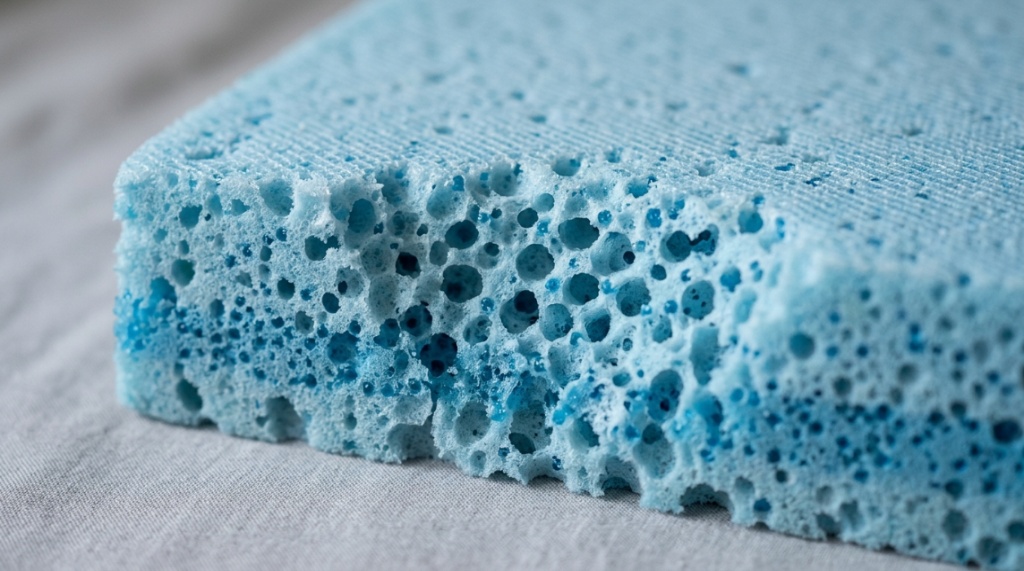
Traditional memory foam is notorious for heat retention because the foam absorbs your body heat and holds onto it. If you buy a standard memory foam topper without cooling features, you are essentially adding a heat blanket to your bed. Look for toppers labeled as gel-infused, copper-infused, or ventilated—these modifications help break the heat-trapping cycle.
The Role of Breathable Covers
The outer fabric matters just as much as the core. A cooling topper with a polyester cover will still trap heat. Instead, look for covers made of cotton, Tencel, bamboo rayon, or Outlast fabric. These materials wick moisture and allow hot air to escape from the foam layer below. A high-quality cover can reduce surface temperature by 1–3 degrees Fahrenheit.
Which Materials Are Best for Cool Sleep?
Gel memory foam, latex, and wool are the top three materials for cooling mattress toppers. Each has distinct properties that affect temperature regulation, feel, and durability. Your choice depends on whether you prefer soft conformity or firm bounce.
Gel-Infused Memory Foam
Gel-infused memory foam incorporates tiny gel beads or liquid gel layers that absorb excess heat before it reaches your body. This material maintains the contouring feel of memory foam without the heat dump. It is the most popular cooling material because it balances comfort and temperature regulation effectively. However, cheaper versions use minimal gel, so verify the gel concentration in product descriptions.
Natural Latex
Latex is naturally open-celled, meaning air flows through the material freely. It sleeps cooler than any type of memory foam. If you sleep hot and hate sinking into your mattress, latex offers a responsive, bouncy feel that keeps you on top of the bed. Talalay latex is softer and more breathable than Dunlop latex, making it the better choice for side sleepers who need cooling pressure relief.
Wool and Cotton Fibers
Wool is a natural temperature regulator that wicks moisture away from your body and evaporates it quickly. It also resists dust mites and mold. Cotton toppers are lightweight and breathable but offer less pressure relief than foam options. Wool toppers are best for people who want cooling combined with natural, hypoallergenic materials, though they require professional cleaning.
How Thick Should Your Cooling Topper Be?
Thickness directly impacts cooling performance and comfort. A topper that is too thin won’t provide enough cushioning, while one that is too thick can trap heat regardless of the material. The sweet spot is between 2 and 4 inches.
Two-Inch Toppers
Two-inch toppers are ideal if you only need slight temperature correction and your mattress is already in decent condition. They add minimal cooling but can reduce surface heat by 1–2 degrees. These are best for people who sleep relatively cool but want extra comfort without changing the bed’s feel dramatically.
Three-Inch Toppers
Three inches is the most versatile thickness. It provides enough material to effectively dissipate heat while still allowing you to feel the support of your mattress underneath. Most premium cooling toppers fall into this range. If you sleep moderately hot, this is your best option.
Four-Inch Toppers
Four-inch toppers are for people with very old or uncomfortable mattresses. They offer maximum pressure relief, but you must ensure the topper has aggressive cooling features like phase-change material or high-density gel infusion. Otherwise, the extra foam will trap more heat than it dissipates.
Does Firmness Affect Temperature Regulation?
Yes, firmness directly influences how cool you sleep. Soft toppers allow your body to sink in, which can create heat pockets around your hips and shoulders. Firmer toppers keep you on top of the bed, promoting airflow and reducing heat buildup.
Soft Toppers and Heat Trapping
Memory foam toppers with a plush feel often use higher-density foam that retains more heat. If you prefer soft, look for a topper that combines plushness with ventilation channels or perforations. These features help air circulate even when you sink in. Otherwise, you risk that stuck-in-the-mud heat that wakes you up at 3 AM.
Medium-Firm Toppers
Medium-firm toppers offer the best balance of cooling and comfort for the majority of sleepers. They contour just enough to relieve pressure points without allowing deep sinking. Latex and high-quality gel foam toppers in this firmness range perform exceptionally well at maintaining a neutral temperature.
Can a Cooling Topper Fix Night Sweats?
A cooling topper can significantly reduce night sweats, but it is not a cure-all. Night sweats can be caused by medical conditions, medications, or hormonal changes. However, for the vast majority of people who sweat because their mattress traps body heat, a cooling topper provides immediate relief.
How Toppers Reduce Moisture
Cooling toppers work by lowering the surface temperature so your body does not need to sweat to cool itself. Materials like wool and Tencel actively wick moisture away from your skin. If your night sweats are environment-related (warm room, heavy blankets, or a heat-trapping mattress), a topper can eliminate the problem entirely. If you still sweat after switching, consult a doctor.
Ideal Materials for Sweat-Prone Sleepers
If you are a heavy sweater, avoid traditional memory foam entirely. Choose either natural latex or a wool topper. Latex is antimicrobial and resists mold, while wool can absorb up to 30% of its weight in moisture without feeling wet. Both materials dry quickly and won’t develop odors.
When Should You Replace Your Current Topper?
Even the best cooling topper loses effectiveness over time. If you notice your topper feels warmer than it used to, or if you see permanent indentations, it is time for a replacement. Most cooling toppers last between three and five years, depending on material and quality.
Signs of Degradation
Loss of elasticity is the first sign. If the topper no longer springs back after you get up, the foam cells have broken down and are trapping more heat. Yellowing of the foam indicates oxidation, which reduces cooling properties. If you flip your topper and the bottom is significantly cooler, the top layer has lost its temperature regulation ability.
When to Upgrade Technology
Cooling technology has advanced rapidly in the last five years. If your current topper is more than four years old, newer options with phase-change materials or graphite-infused foams will outperform it significantly. Upgrading can lower your sleeping temperature by 2–5 degrees compared to older models.
How to Choose Based on Your Sleeping Position
Your sleeping position determines how much of your body contacts the topper and where pressure points form. Matching the topper’s cooling properties to your position prevents heat buildup in specific areas.
Side Sleepers
Side sleepers need pressure relief on shoulders and hips, which often leads to deeper sinking and potential heat retention. A three-inch gel-infused memory foam or Talalay latex topper works best. Look for toppers with zoned cooling—firmer in the center and softer on the edges—to prevent shoulder heat without sacrificing hip comfort.
Back and Stomach Sleepers
Back and stomach sleepers require less cushioning and more support. A two-inch latex or medium-firm gel foam topper keeps you aligned without letting you sink too deeply. These positions generate less pressure point heat, so a medium cooling level is usually sufficient. Avoid anything over three inches, as it can misalign your spine.
What Is the Best Cooling Topper for Couples?
Couples need a topper that balances cooling with motion isolation. If one partner tosses and turns, the other shouldn’t feel it. At the same time, two bodies generate more heat, so the topper must handle higher thermal loads.
Motion Isolation vs. Cooling
Memory foam excels at motion isolation but traditionally traps heat. Modern gel-infused memory foam solves this by adding cooling without sacrificing the hug. Latex offers better cooling than foam but transmits more movement. If one partner is a restless sleeper, choose gel memory foam over latex. If both partners sleep hot, opt for latex and accept some motion transfer.
Dual-Firmness Solutions
Some premium toppers come with split firmness—one side soft, one side firm. These are rare but ideal for couples with different comfort preferences. If you cannot find a split topper, choose a medium-firm option that satisfies both partners and add a separate thin cooling pad on the warmer side. For more specific brand comparisons, you can explore detailed cooling mattress topper reviews that break down performance for couples.
Does Price Equal Better Cooling?
Not always. Expensive toppers often use premium materials, but you can find effective cooling toppers at every price point. The key is identifying the cooling technology, not the brand name.
Budget-Friendly Options Under $100
In the budget range, look for toppers with gel infusion and a breathable cotton cover. Avoid memory foam toppers without any cooling claims—they will sleep hot. Expect a two-inch thickness and moderate cooling at best. Budget options are excellent for guest rooms or temporary solutions.
Mid-Range Options $100–$200
This price range offers the best value. You can find three-inch gel-infused memory foam with ventilated designs and high-quality covers. Latex toppers in this range are usually blended synthetic latex rather than 100% natural, but they still cool better than most foams. Pay attention to return policies in this tier.
Premium Options Above $200
Premium toppers use phase-change materials, organic latex, or wool layers. They offer the most consistent cooling throughout the night and last longer. If overheating severely impacts your sleep quality, investing in a premium topper is worth the cost. These toppers also come with extended warranties and trial periods.
Before exploring specific cooling materials, it helps to understand the basics of comfort—you can learn more about finding the right foundation in our guide on how to choose the right mattresses.
How to Maintain Your Cooling Topper
Proper maintenance extends the life of your topper and preserves its cooling properties. Foam breaks down faster when exposed to excessive heat and moisture, so simple care habits make a real difference.
Cleaning and Airing
Most cooling toppers cannot be machine washed. Instead, spot clean with mild detergent and water, then air dry completely. Vacuum the topper every three months to remove dust and allergens. Once per season, take the topper outside and let it air out in a shaded, dry area—this releases trapped moisture and restores breathability.
Using a Mattress Protector
A cooling topper works best with a breathable mattress protector. Avoid waterproof protectors made from vinyl or plastic, as they trap heat and moisture. Choose a protector made from cotton or bamboo with a waterproof membrane that allows airflow. This protects your topper from spills without ruining its cooling performance.
Frequently Asked Questions
How long does a cooling mattress topper last?
Most cooling mattress toppers last between three and five years. Latex toppers can last up to seven years with proper care, while memory foam toppers typically degrade faster due to foam oxidation.
Can I use a cooling topper on an adjustable bed?
Yes, but check the topper specifications. Gel memory foam and latex toppers are flexible enough for adjustable bases. Avoid toppers with rigid layers or thick non-flexible cores.
Is a cooling topper worth it if I already have a cooling pillow?
Yes. A cooling pillow only cools your head and neck. Your torso and legs still generate heat against the mattress. A cooling topper addresses the full-body sleeping surface for more comprehensive temperature control.
Does a cooling topper help with back pain?
It can, indirectly. By preventing heat buildup, a cooling topper encourages deeper sleep, which aids muscle recovery. For direct back pain relief, choose a topper with sufficient support and pressure relief, not just cooling.
Can I put a cooling topper under my mattress protector?
Yes, but use a breathable mattress protector. A non-breathable protector will negate the cooling benefits of the topper by trapping heat between the protector and the foam.
Do cooling toppers work in humid climates?
Yes, but with caveats. Gel-infused and latex toppers perform well in humidity because they do not absorb moisture. Wool toppers can feel damp if humidity is consistently above 60%. In humid areas, prioritize latex or gel foam.
How do I know if my topper is actually cooling?
Check the temperature difference using your hand. Place your palm on the topper for ten seconds—if it feels noticeably cooler than room temperature, it is working. If it feels neutral or warm, the cooling technology may be insufficient for your needs.
Final Thoughts on Choosing a Cooling Mattress Topper
Stopping the night heat starts with understanding materials, thickness, and your own sleep habits. Gel-infused memory foam offers the best balance of comfort and cooling for most people, while latex wins for those who sleep extremely hot. Prioritize breathable covers and proper thickness, and remember that even the best topper needs regular maintenance to keep working. Take the time to match the topper to your sleeping position and body temperature—your sleep quality will improve immediately. A cool bed changes everything, and the right topper is the single most effective upgrade you can make without buying a new mattress.