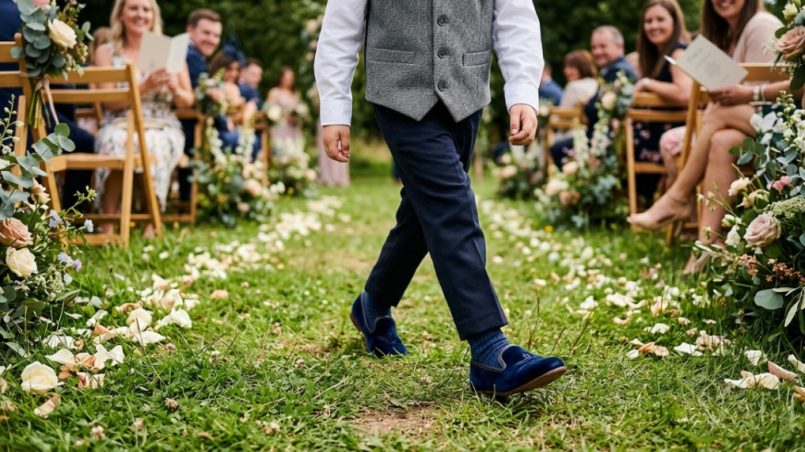
Most parents default to plain black dress shoes for every wedding — and that single choice clashes with half the formal outfits boys actually wear to modern ceremonies. Boys wedding shoes that genuinely match formal outfits require understanding one principle that changes everything: shoe color and style should respond to the outfit, not override it with a generic “formal enough” default. Stylish boys dress shoes aren’t louder or flashier than basic ones — they’re more intentionally coordinated, creating a cohesive look that reads as polished rather than assembled from whatever was available.
Stylish boys dress shoes combine age-appropriate formal aesthetics with deliberate color and style coordination that complements specific outfit elements — suit color, formality level, wedding season, and venue type. The goal is a unified look where the shoes enhance the outfit rather than existing as an afterthought disconnected from the overall ensemble.
This guide gives you a systematic matching framework — not a single recommendation — so you can pair the right shoe with any formal outfit your son might wear to weddings, galas, family events, or formal celebrations throughout the year.
What’s the Universal Rule for Matching Boys Shoes to Formal Outfits?
The universal rule: shoes must match the belt in color and be 2–3 shades different from the trouser color for visual separation. This single principle prevents the two most common mistakes — shoes that blend invisibly into dark trousers, and shoes that clash jarringly with the overall color story.
The rule in practice:
- Navy suit: Tan, cognac, or medium brown shoes (lighter than trousers, creating upward visual flow)
- Grey suit: Medium brown, burgundy, or oxblood shoes (contrasting warm tones against cool grey)
- Black suit: Black shoes only (the one case where matching is required)
- Khaki/tan trousers: Dark brown, navy, or burgundy shoes (darker than trousers for grounding)
- Light blue suit: Tan or cognac shoes (complementary warm/cool contrast)
This framework eliminates guesswork. Once you know the outfit color, the shoe color choice becomes a simple decision between 2–3 appropriate options rather than an overwhelming browse through dozens of styles.
How Do You Match Boys Wedding Shoes to Different Suit Colors?
Match by contrast and temperature: cool-toned suits (navy, grey, blue) pair best with warm-toned shoes (brown, cognac, tan). Neutral suits (charcoal, black) require neutral shoes (black, dark grey). The contrast creates visual interest while the temperature harmony keeps the look cohesive.
Complete suit-to-shoe matching guide:
| Suit Color | Best Shoe Colors | Avoid | Formality Match |
|---|---|---|---|
| Navy | Tan, cognac, medium brown, burgundy | Black (too harsh), navy (no contrast) | All formality levels |
| Charcoal Grey | Dark brown, burgundy, oxblood, black | Tan (too much contrast), light brown | Formal to semi-formal |
| Light Grey | Medium brown, tan, cognac, navy | Black (overwhelms light suit) | Semi-formal, daytime events |
| Black | Black only | Any brown shade, any colored shoe | Formal and black-tie only |
| Tan/Beige | Dark brown, burgundy, navy | Tan/beige shoes (zero contrast) | Casual-formal, outdoor events |
| Blue (lighter shades) | Tan, cognac, light brown | Black, dark brown (too heavy) | Summer and garden weddings |
When in doubt between two appropriate options, choose the one closer in formality to the event — darker for formal ceremonies, lighter for casual outdoor celebrations.
What Shoe Styles Work for Different Wedding Formality Levels?
Black-tie requires cap-toe oxfords in black. Formal weddings suit oxfords or monk straps in dark colors. Semi-formal events allow loafers and derbys in medium tones. Casual weddings open the door to suede, boat shoes, and lighter colors that match relaxed dress codes.
Formality-to-style guide:
- Black-tie / Ultra-formal: Black patent or polished cap-toe oxfords. Minimal detailing. Clean, classic, and no exceptions for children — the dress code applies equally.
- Formal wedding: Polished leather oxfords, monk straps, or sleek derbys in black, dark brown, or burgundy. Subtle broguing acceptable. Polished finish expected.
- Semi-formal / Cocktail: Loafers, derbys, suede shoes, or brogues in medium-to-light colors. Less rigid styling. This is where personal style and color play become appropriate.
- Casual / Garden / Beach: Clean loafers, suede derbys, dressy boat shoes, or even clean white leather sneakers (dress code dependent). Comfort and seasonal appropriateness take priority.
Most modern weddings fall in the semi-formal range — giving parents the widest selection of stylish boys dress shoes without restrictive formality constraints.
How Do You Find Stylish Boys Shoes That Don’t Look Like Miniature Adult Shoes?
Look for brands that design specifically for children’s proportions — shorter vamps, rounder toe shapes proportionate to small feet, and hardware scaled appropriately. Adult shoes shrunk to child sizes have oversized toe boxes, disproportionate heels, and details too large for small feet.
Signs a shoe is properly proportioned for boys:
- Toe box proportional to foot length: Shouldn’t extend visually longer than the foot appears. Adult shoes scaled down often have toes that look clown-like on small feet.
- Heel height appropriate: Children’s formal shoes should have minimal heel (5–10mm). Adult-scaled shoes sometimes have 15–20mm heels that look and feel wrong on young feet.
- Hardware sized correctly: Buckles, eyelets, and decorative elements scaled to the shoe size — not adult-sized hardware on a small shoe.
- Sole thickness proportional: Thick chunky soles look appropriate on adult shoes but overwhelming on children’s shoes. Look for slim, proportionate sole profiles.
Brands known for child-proportioned formal designs: Florsheim Kids, Clarks Kids, Janie and Jack, and Crew Cuts by J.Crew. For curated options with style photos, check the best kids wedding shoes for boys collection featuring age-appropriate formal designs.
Can One Pair of Boys Wedding Shoes Work for Multiple Outfits?
Yes — a medium brown leather oxford or cognac loafer works with navy, grey, khaki, and blue outfits. This single shoe covers 80% of formal outfit combinations boys wear to weddings. Only black suits require a separate black shoe.
The one-shoe strategy:
- Best universal color: Cognac or medium brown — pairs with every suit color except black
- Best universal style: Cap-toe oxford or penny loafer — formal enough for ceremonies, relaxed enough for casual events
- Best universal material: Smooth leather (not suede) — appropriate year-round, easy to maintain, photographs well in all lighting
If you’re buying one pair that needs to serve multiple weddings and formal events, invest in a quality cognac leather loafer or oxford. Pair it with a matching cognac belt and it coordinates seamlessly with any non-black outfit combination.
The exception: if the next event requires black-tie formality, you’ll need dedicated black shoes. No brown shoe works for true black-tie regardless of quality or style.
How Do Seasonal Weddings Affect Shoe Style Choices?
Summer weddings favor lighter colors and breathable materials (tan, cognac, suede). Winter weddings suit darker tones and polished leather (oxblood, dark brown, black). Spring and fall allow the widest range of both color and material choices.
Seasonal style guide:
- Spring: Medium brown leather, cognac, or navy suede. Fresh and light without being too summery. Derbys and loafers work perfectly.
- Summer: Tan, light cognac, or suede in lighter shades. Breathable materials preferred. Loafers and unlined shoes for heat management.
- Fall: Rich browns, burgundy, and oxblood. Polished leather or burnished finishes that echo autumn tones. Brogues and monk straps feel seasonally appropriate.
- Winter: Dark brown, black, or deep burgundy in polished leather. Heavier visual weight matches winter formality and darker suit colors common in cold months.
The season also affects practical considerations — summer shoes need breathability and outdoor-appropriate soles, while winter shoes need water-resistant treatment for potential rain or snow at venues.
What Accessories Complete the Boys Formal Shoe Look?
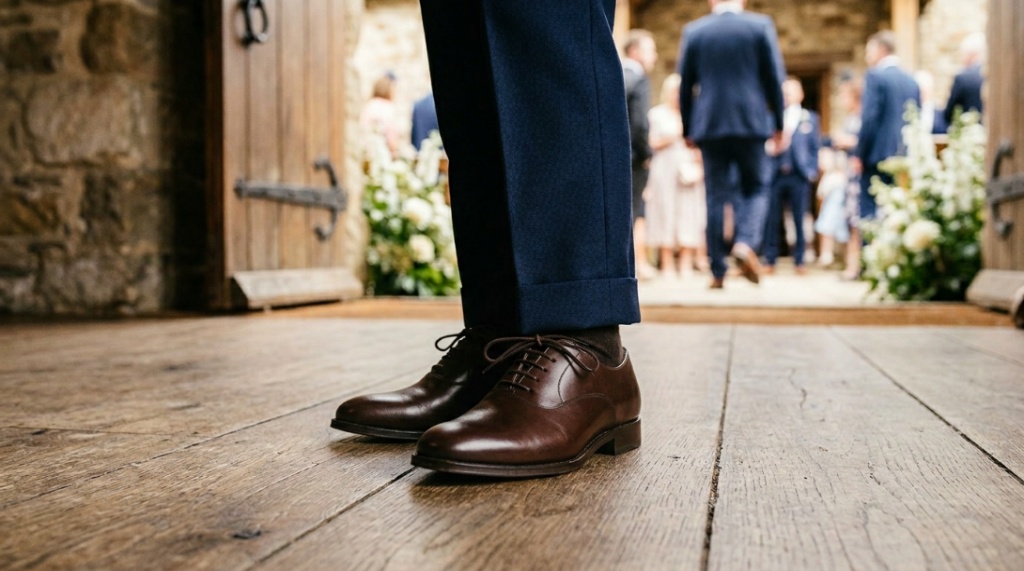
A matching belt is essential — it’s the one accessory that must coordinate with shoes. Beyond that, matching-color dress socks, a pocket square that echoes the shoe tone, and properly hemmed trousers that show the right amount of shoe complete the stylish formal look.
Accessory coordination checklist:
- Belt (essential): Same color and similar leather type as shoes. If shoes are cognac with silver hardware, the belt should be cognac with a silver buckle.
- Socks: Match to trousers for a seamless leg line, or choose socks one shade darker than shoes for subtle coordination. Avoid white, avoid busy patterns for formal events.
- Trouser length: Hemmed to create a slight break at the front crease of the shoe. Too short exposes excessive sock; too long pools over the shoe hiding the style you selected.
- Watch strap (if applicable): Leather straps should match shoe color. Not essential for young boys but creates a polished detail for pre-teens.
These details seem minor individually but collectively create the “put together” impression that distinguishes truly stylish formal wear from simply dressed-up casual wear.
Where Do You Find Stylish Boys Wedding Shoes Beyond Department Stores?
Online specialty retailers, children’s fashion brands, and European shoe companies offer more stylish options than typical department stores. Department stores stock safe, generic options — specialty retailers curate distinctive styles with better proportions and materials.
Best sources for stylish boys formal shoes:
- Nordstrom / Nordstrom Rack: Widest in-store and online selection of quality children’s dress shoes. Multiple brands in one place. Unrestricted return policy.
- Zappos: Massive selection with 365-day returns and excellent search filters. Good for finding specific colors and styles not stocked locally.
- Janie and Jack: Premium children’s formalwear brand with coordinated shoe-and-outfit options. Higher price point but exceptional style and proportions.
- European brands (Geox, Pablosky, Start-Rite): More fashion-forward styling than US market defaults. Better proportions for children’s feet. Available online or at specialty children’s shoe stores.
- Etsy (custom/handmade): For unique colors, custom sizing, or specific design requests. Allow 4–6 weeks for custom orders.
For a curated selection specifically filtered for wedding-appropriate styles with parent reviews, visit the stylish boys wedding shoes collection with outfit pairing suggestions.
Conclusion
Finding stylish boys wedding shoes that match formal outfits isn’t about buying expensive shoes — it’s about intentional coordination. Match shoes to belt color, create 2–3 shades of contrast with trousers, and choose styles appropriate for the event’s formality level. A single cognac leather loafer or oxford covers 80% of formal occasions. Add seasonal awareness, proper proportions for children’s feet, and accessory coordination, and your son’s formal look comes together with the cohesion that makes the difference between “dressed up” and genuinely well-styled.
Start building your son’s formal shoe wardrobe with the best kids wedding shoes for boys — reviewed and styled for real wedding occasions with complete outfit coordination guidance.
What formal outfit are you working with? Share the suit color and event type in the comments for specific shoe recommendations matched to your exact situation.
Frequently Asked Questions
Can boys wear brown shoes to a formal wedding?
Yes — for any wedding that isn’t black-tie. Dark brown, cognac, and burgundy shoes are appropriate for formal ceremonies when paired with navy, grey, or lighter-colored suits. Only true black-tie events require black shoes. Most modern weddings welcome brown as a stylish, seasonally appropriate choice.
Do boys wedding shoes need to match the ring bearer pillow or wedding colors?
No — shoes should match the boy’s own outfit (specifically the belt), not wedding decor colors. Attempting to match shoes to wedding theme colors often produces odd results. Let the boutonniere, tie, or pocket square reference wedding colors while shoes anchor the personal outfit.
Are suede boys shoes appropriate for weddings?
Yes, for semi-formal and casual weddings. Suede adds texture and visual interest that photographs beautifully in natural light. Avoid suede for rainy-day outdoor weddings or venues with potential for grass stains. Apply suede protector spray 24 hours before the event for basic weather resistance.
How do I style boys wedding shoes for a beach or destination wedding?
Beach weddings call for lighter shoes: tan loafers, canvas slip-ons with leather accents, or dressy boat shoes in leather. Skip fully enclosed leather shoes that trap sand and heat. Some beach ceremonies are shoes-optional — check with the couple and prepare accordingly.
Should boys’ wedding shoes match their father’s shoes?
Matching the general color family creates a cohesive family photo without requiring exact replicas. If dad wears brown oxfords, the son in cognac loafers looks coordinated but age-appropriate. Forcing identical adult styles on children sacrifices both comfort and natural proportion.
What if the wedding has no specific dress code mentioned?
When no dress code is specified, dress for semi-formal. Choose leather shoes in brown or cognac with a clean silhouette (loafers or derbys). This level hits the middle ground — formal enough for a church ceremony, relaxed enough for a backyard celebration. You can’t be overdressed at a wedding in clean leather dress shoes.
How many pairs of formal shoes does a growing boy realistically need?
One pair of medium brown or cognac leather shoes covers most formal occasions for 6–12 months before being outgrown. Add black shoes only if attending black-tie events. Two pairs maximum serves a full year of formal events. Investing in more pairs is impractical given children’s growth rates of 1–2 sizes annually.